What lens color should you choose for trail running? The key role of contrast on technical descents
Mud, roots, wet rocks… on a technical descent, the terrain quickly becomes hard to read. Features blend together, foot placement becomes less precise and the risk of falling goes up. Yet one element plays a key role and is often underestimated: the color of your lenses.
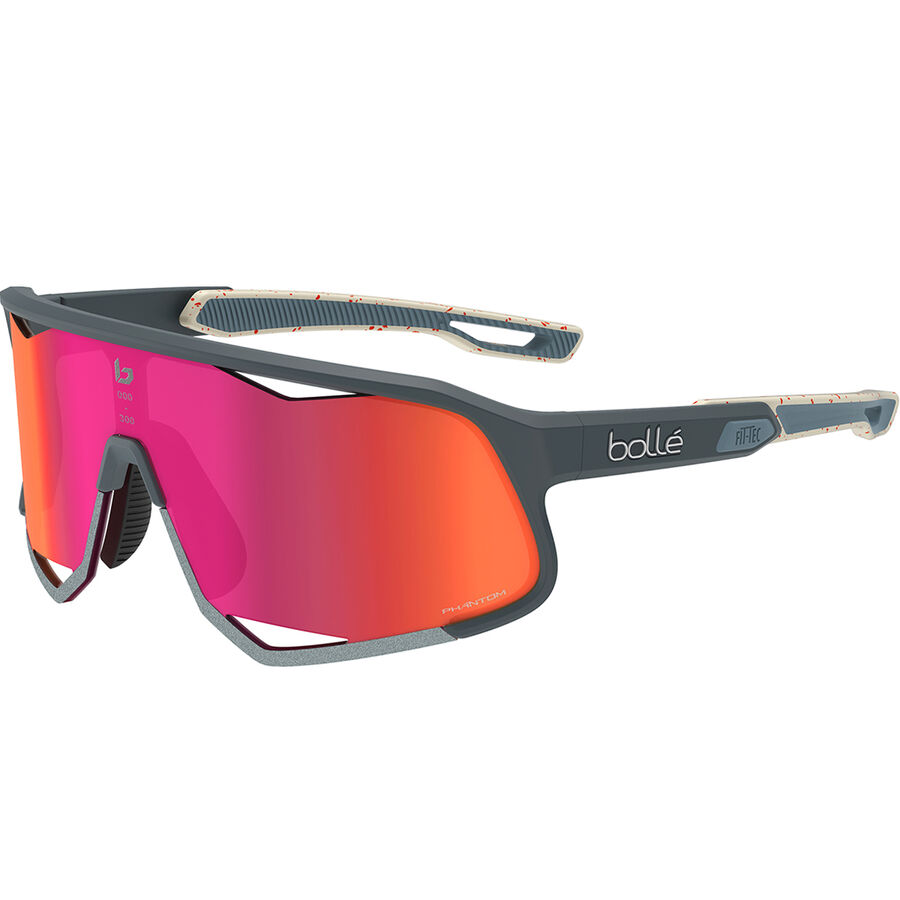
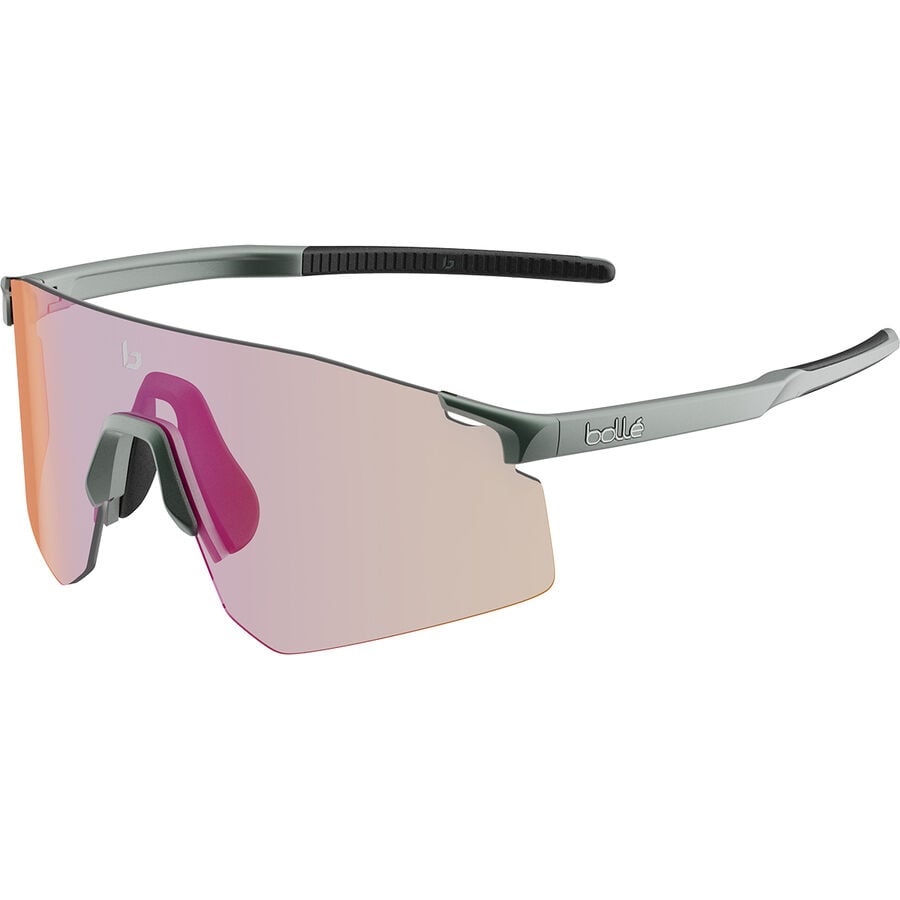
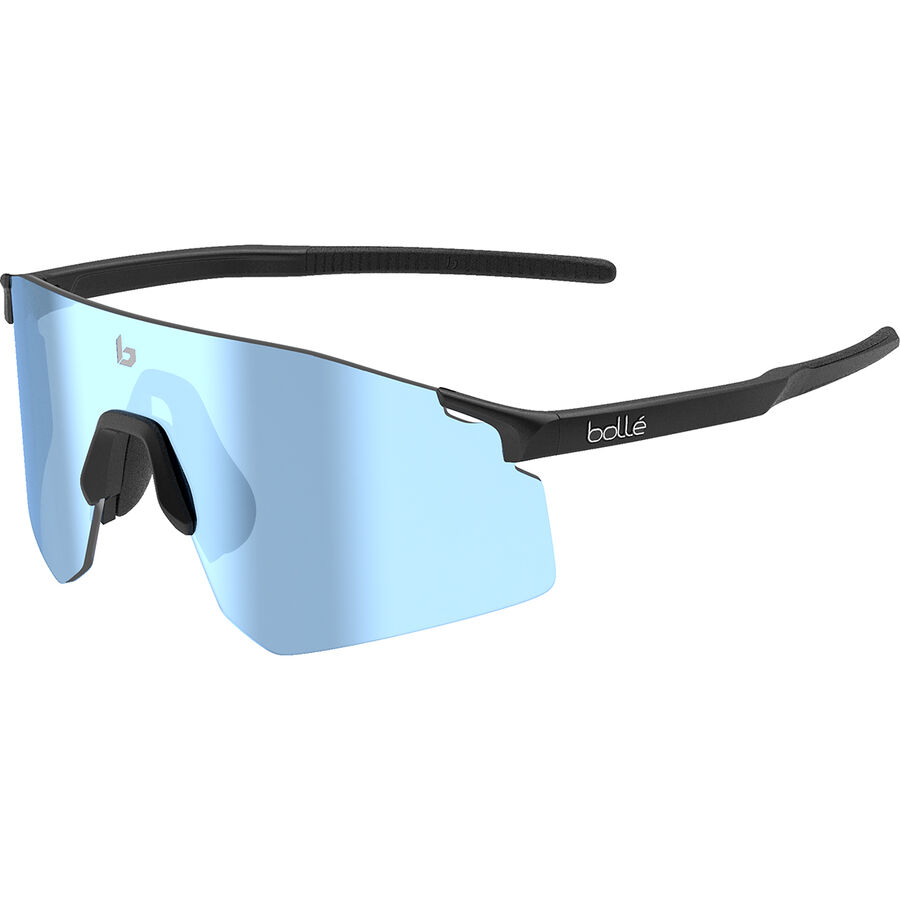
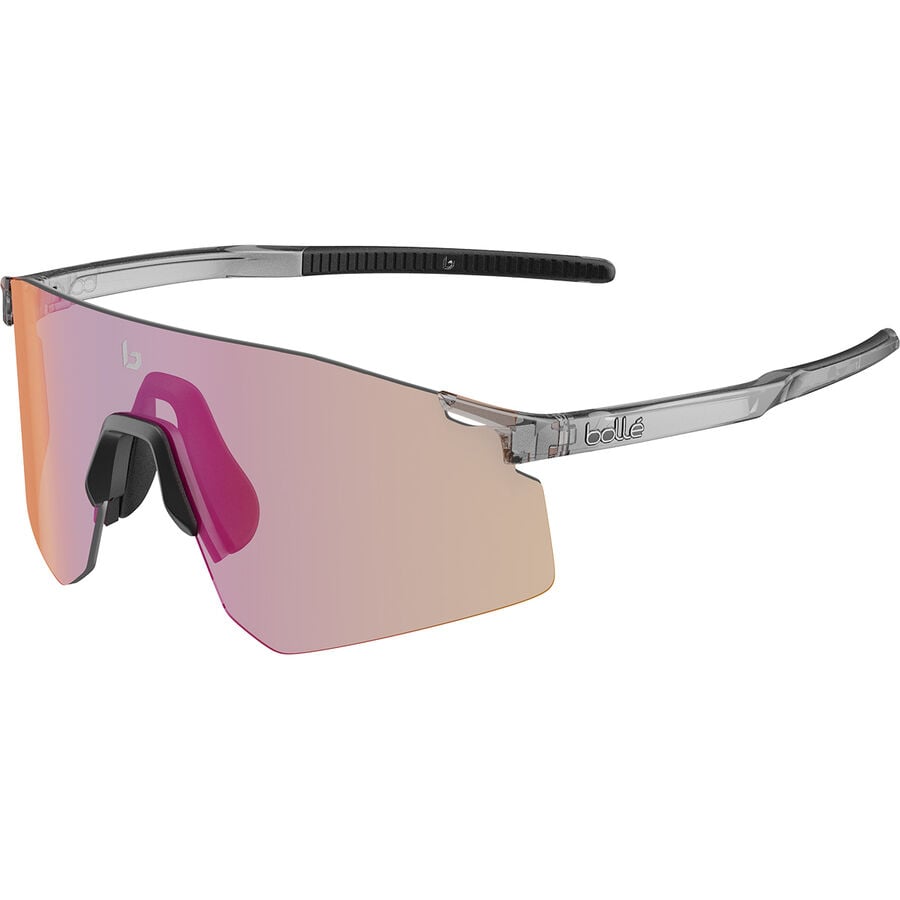
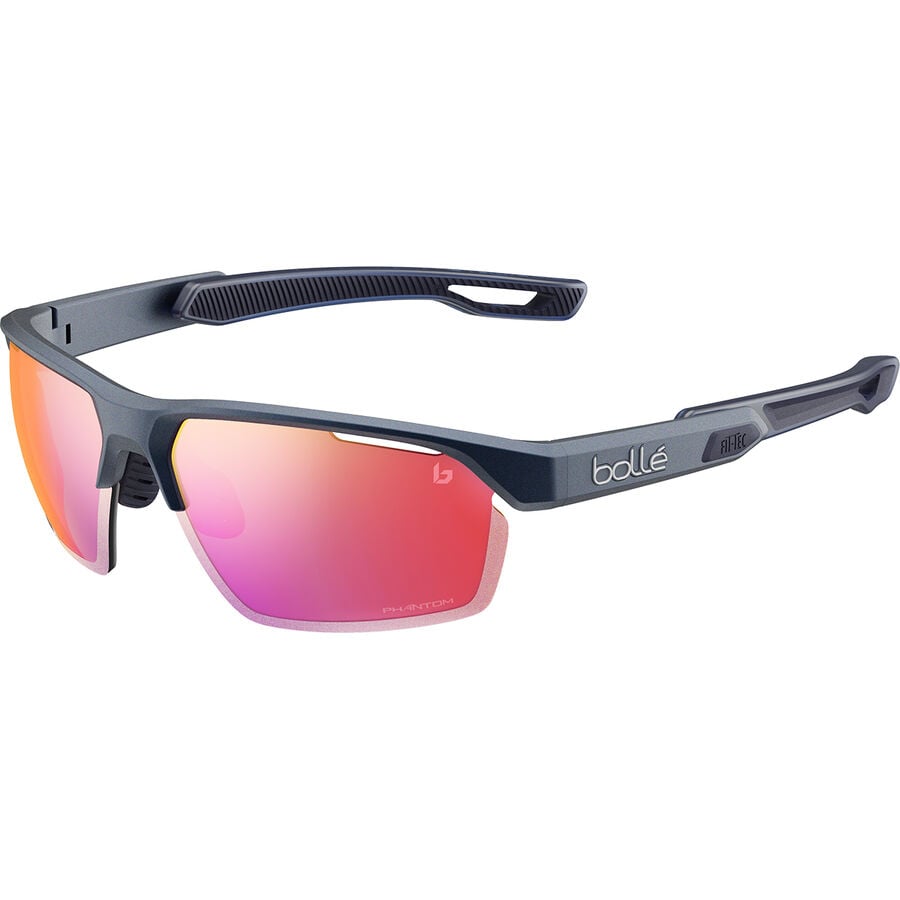
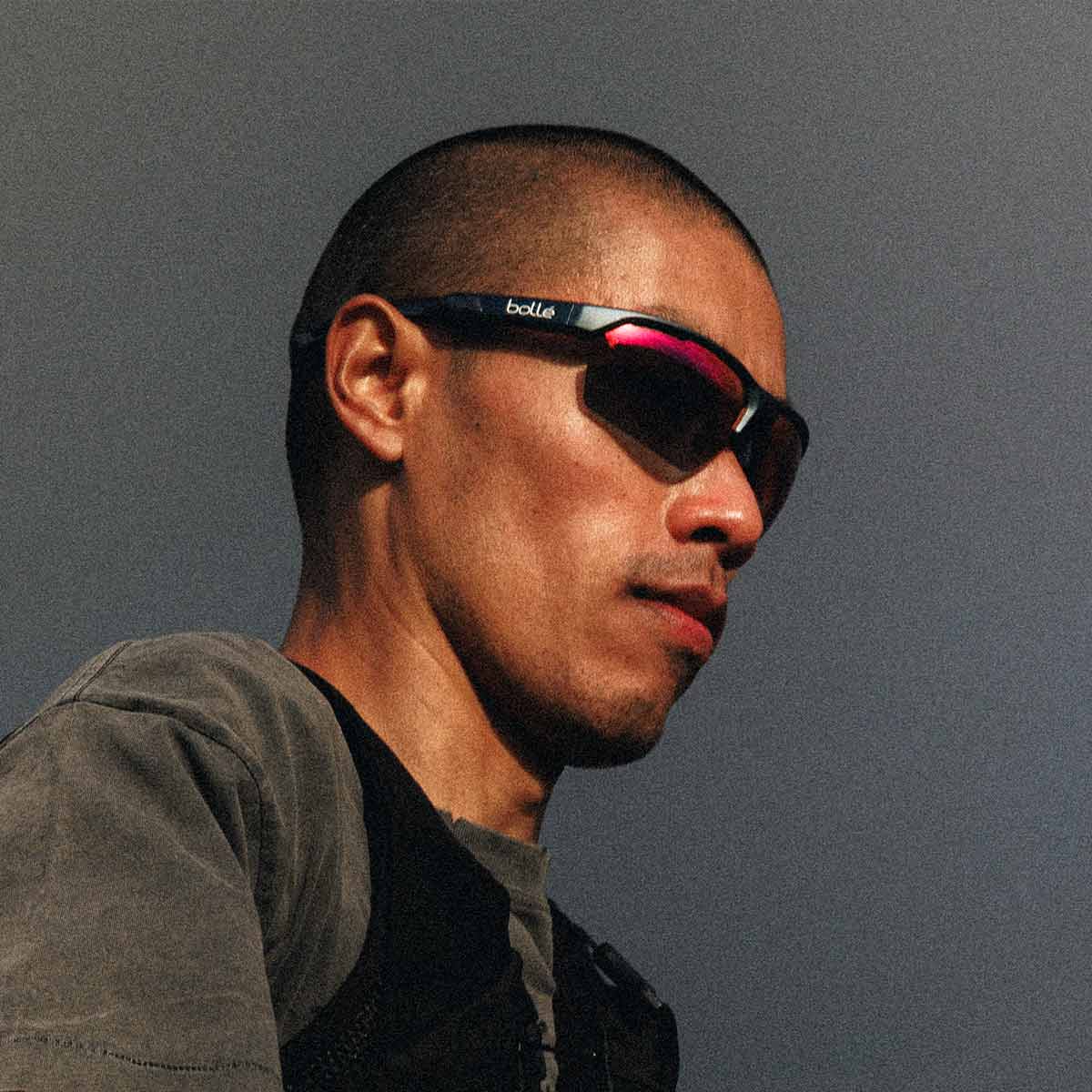
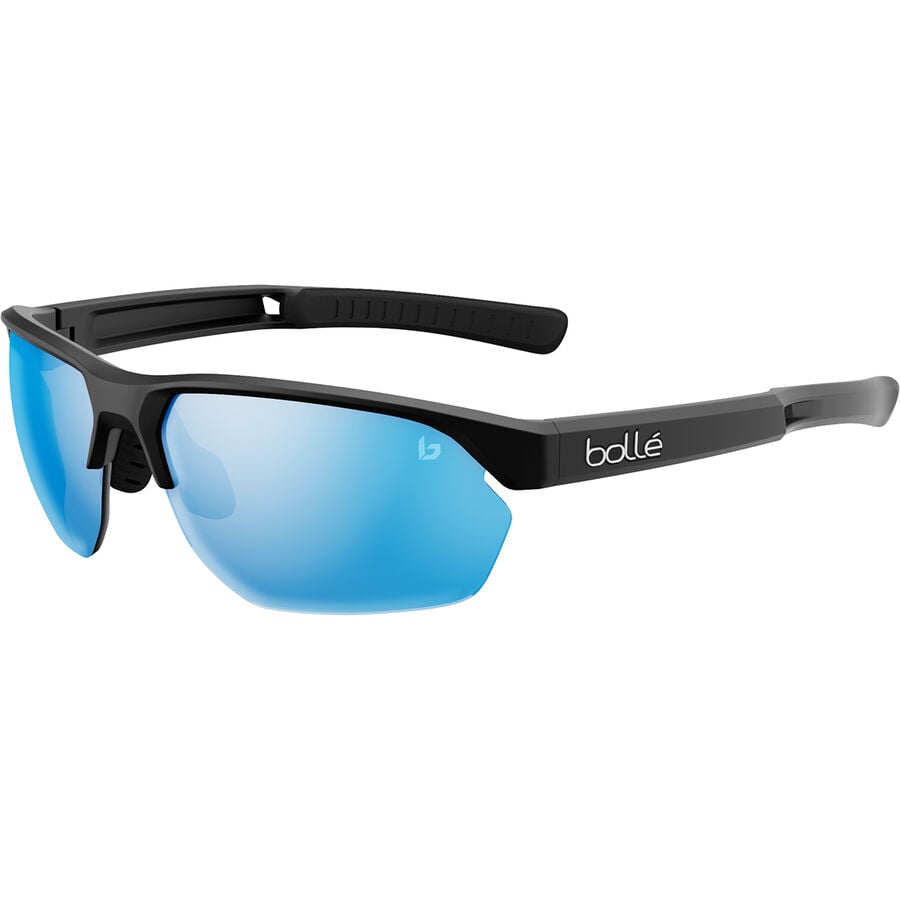
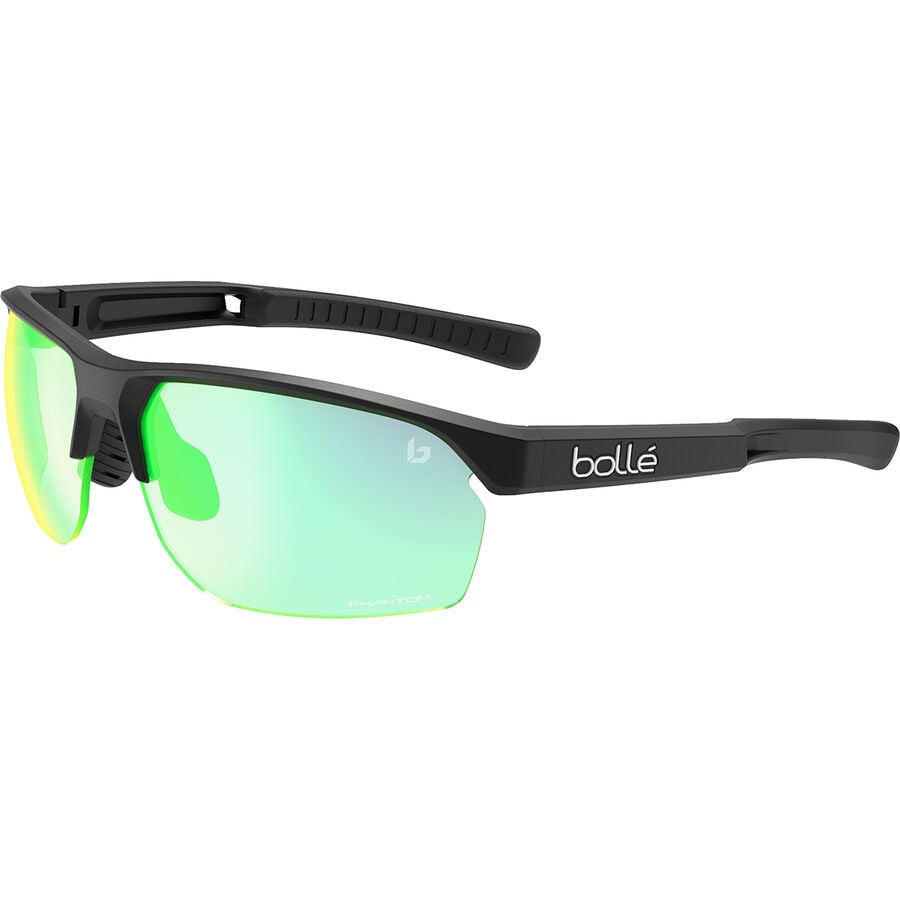
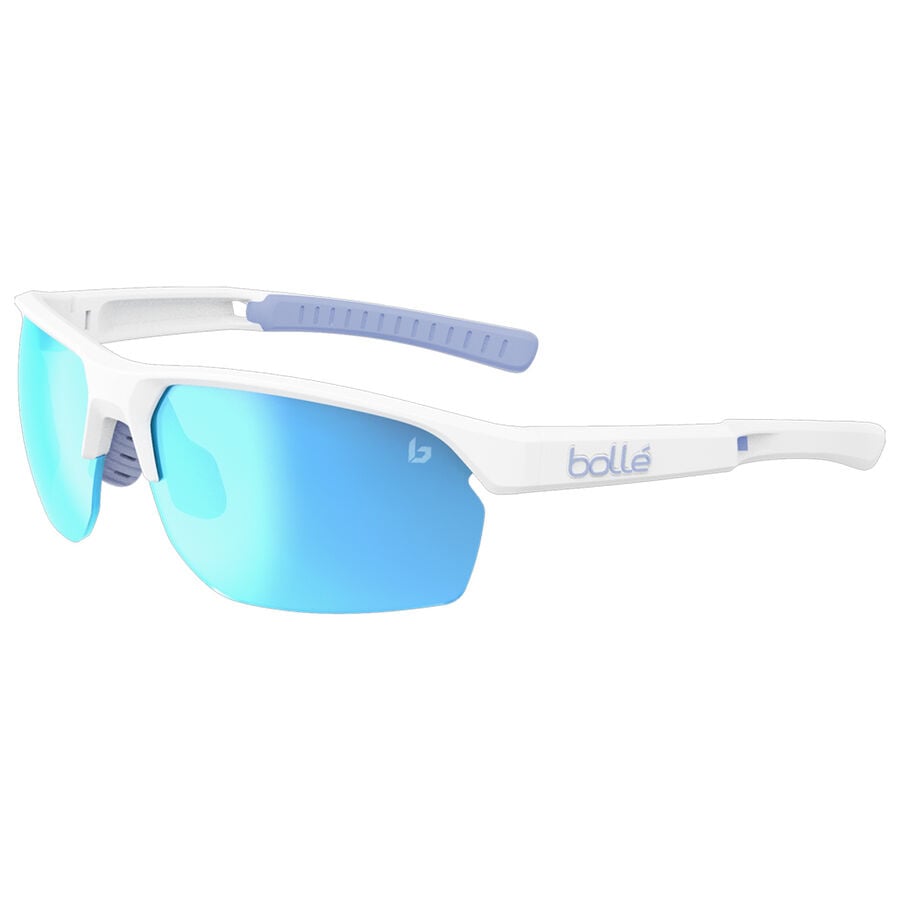
Shop our trail running sunglasses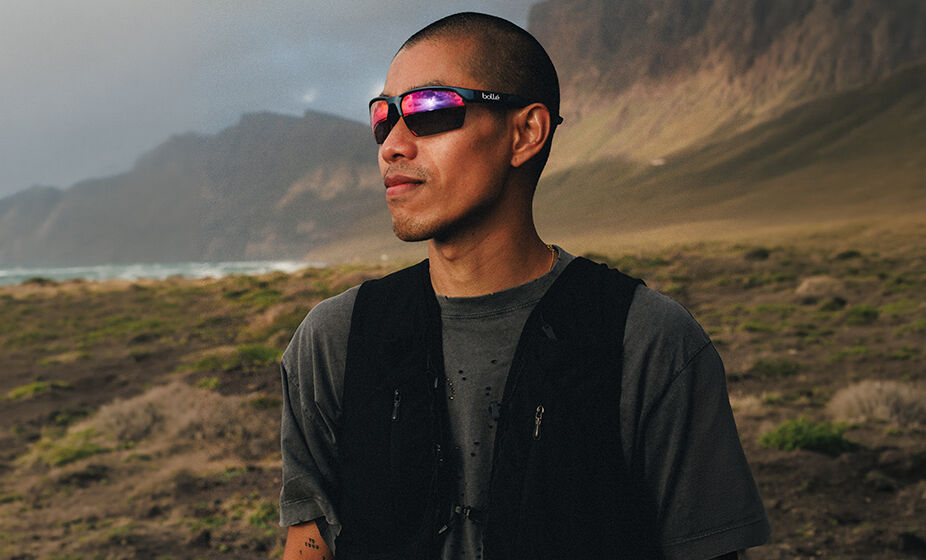
Why is vision more difficult on descents?
In trail running, and especially in the woods or on wet terrain, natural contrast is low. Different surfaces often share very similar tones, between brown, gray and green.
On top of that, the light is uneven, filtered by the trees or changing with exposure. This combination makes the terrain harder to read.
The result: obstacles like a root, a rock or a slippery patch blend into the background and become much less visible.
Direct consequences on your footing
When your eye struggles to distinguish the terrain, anticipation gets harder. You place your feet less precisely and your reaction time drops.
On a technical descent, this can quickly lead to mistakes:
- Misreading the terrain
- A misplaced step
- A loss of balance
The quality of your vision therefore directly affects your safety and your performance.
What High Contrast lenses bring
Some lens technologies have been specifically developed to improve the perception of terrain features.
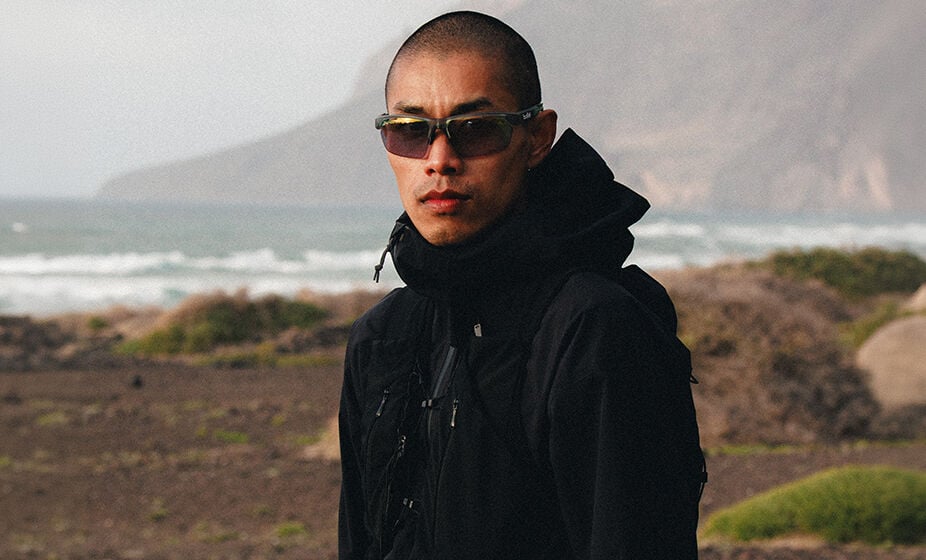
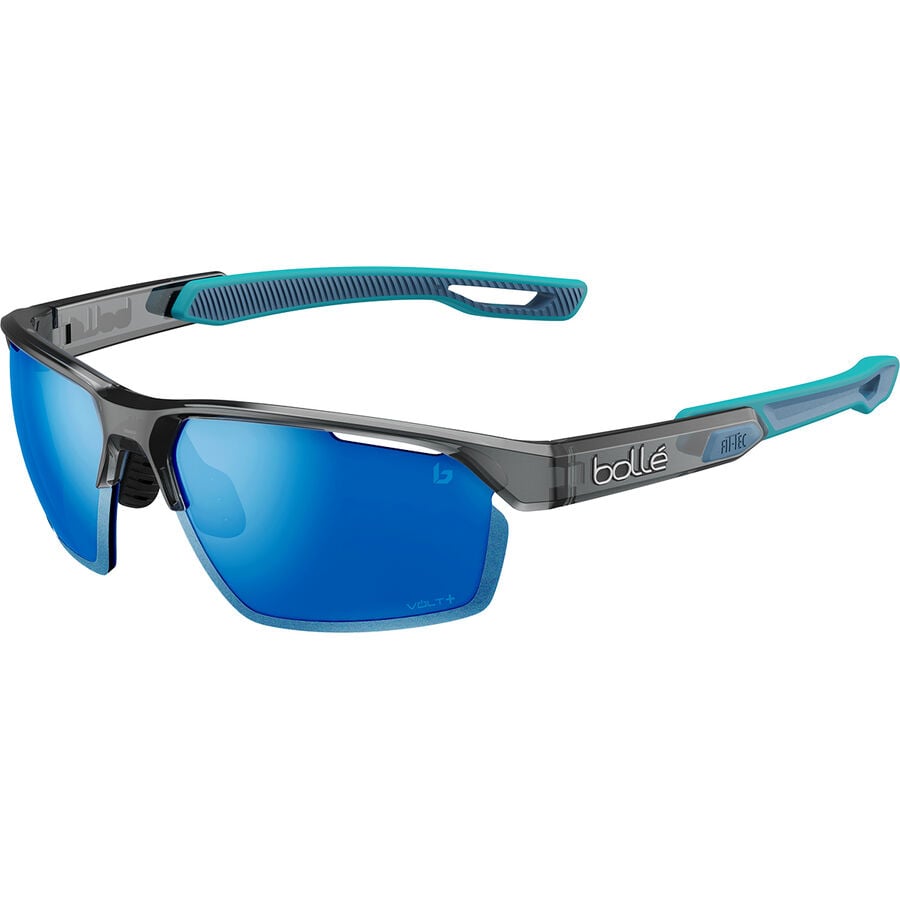
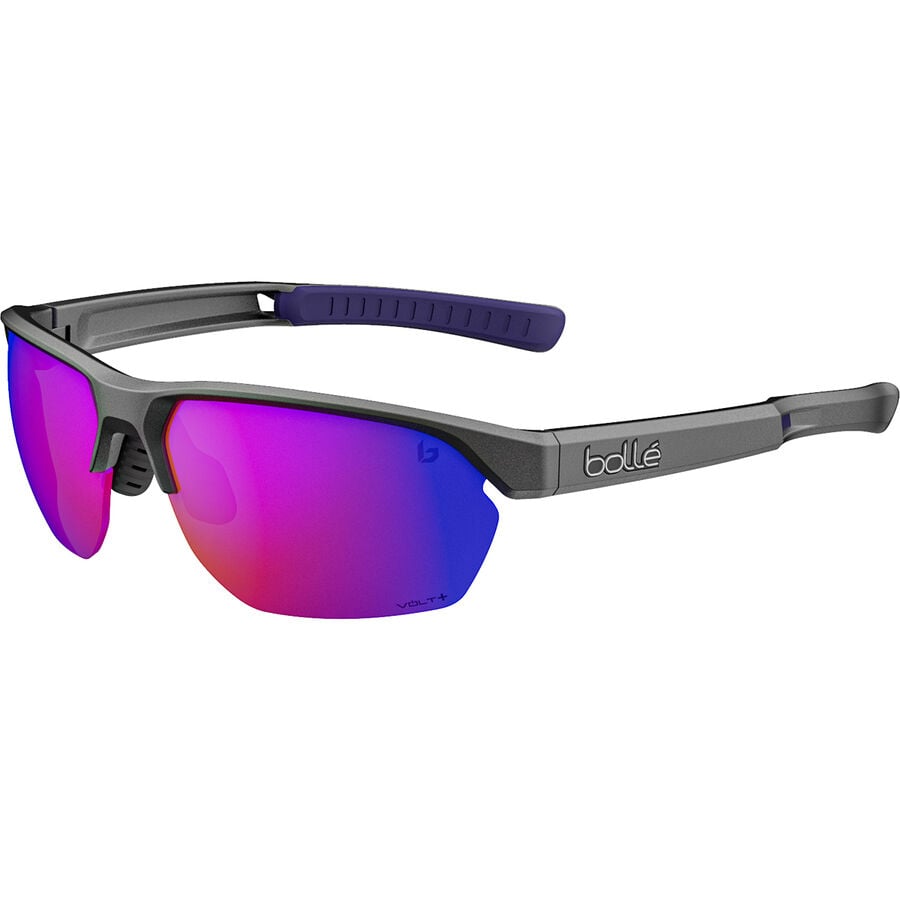
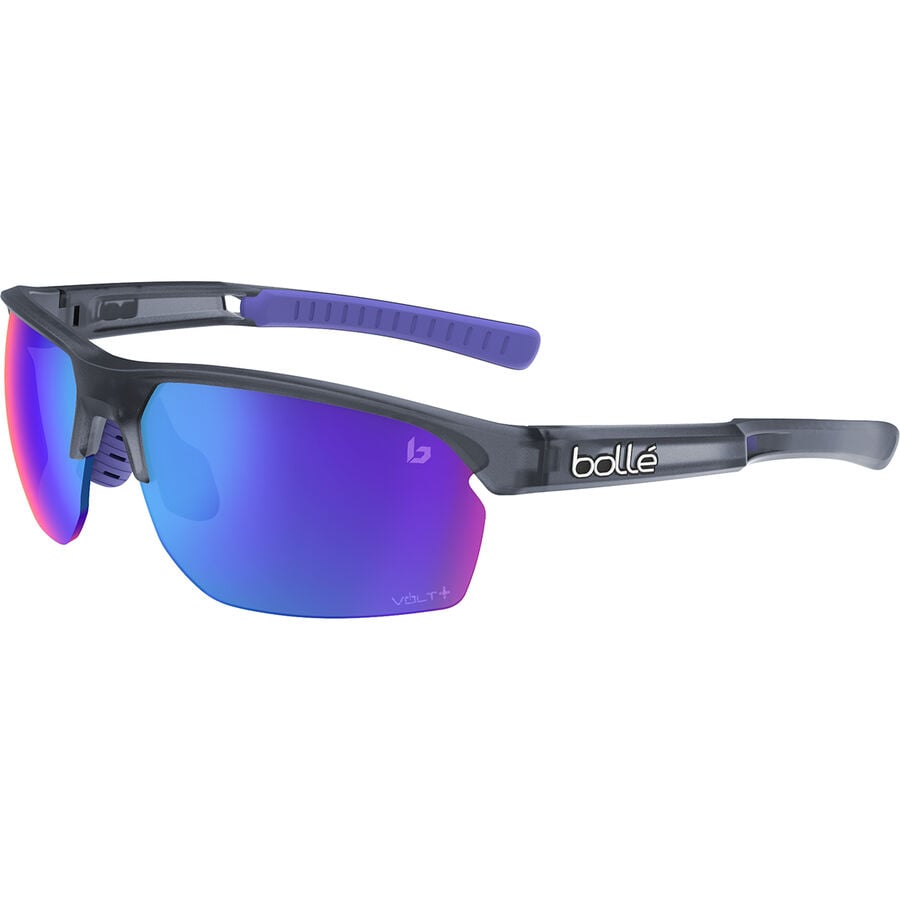
This is notably the case of Volt+ technology, developed with artificial intelligence. Its goal is clear: to optimize vision by enhancing contrast.
In practice, it helps you better tell the elements of the terrain apart. Variations in texture and color become more visible, making the overall environment easier to read.
A root stands out more from the ground, a wet rock becomes easier to identify, and technical sections are easier to anticipate.
Which lens colors should you favor?
The choice of tint plays an essential role in this contrast improvement.
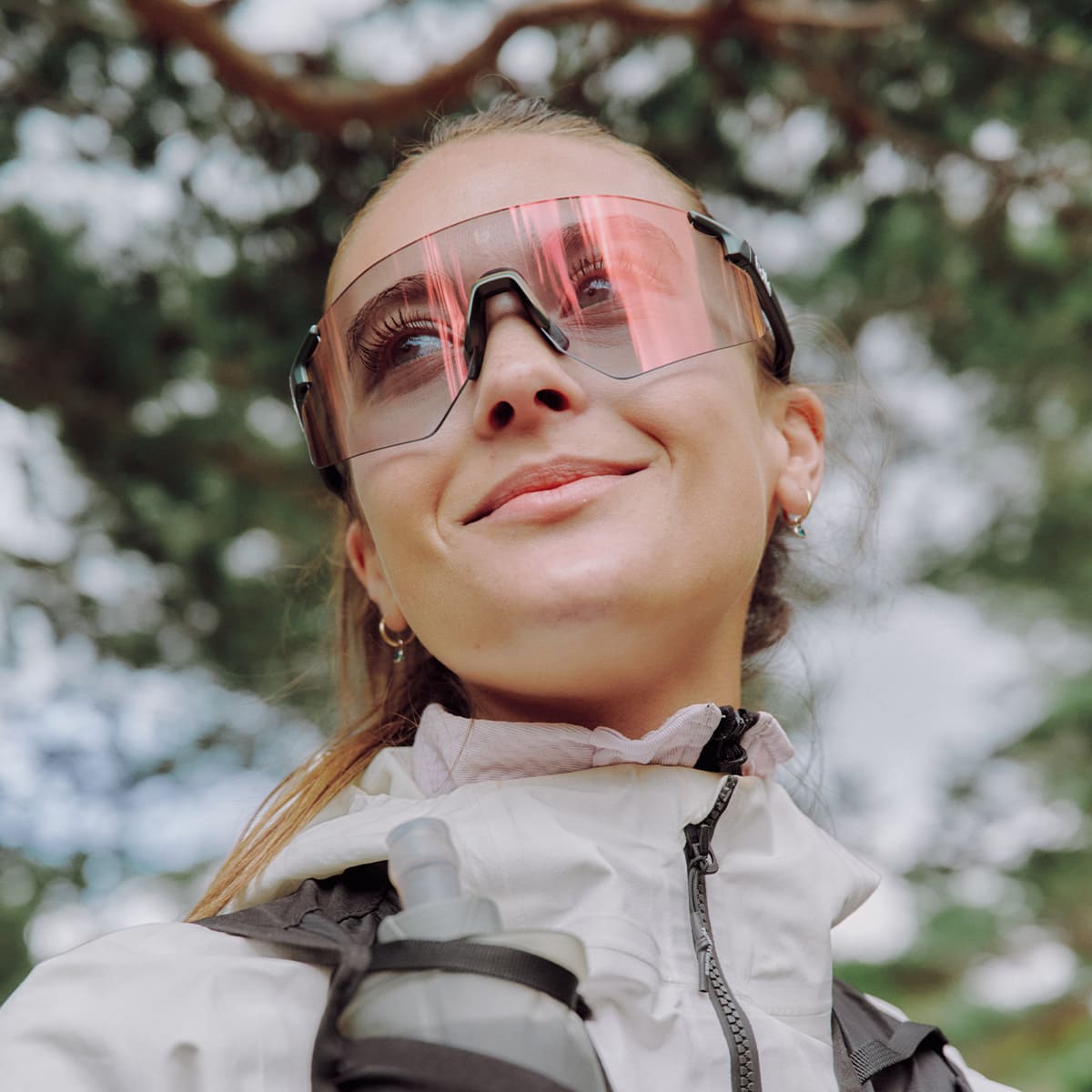
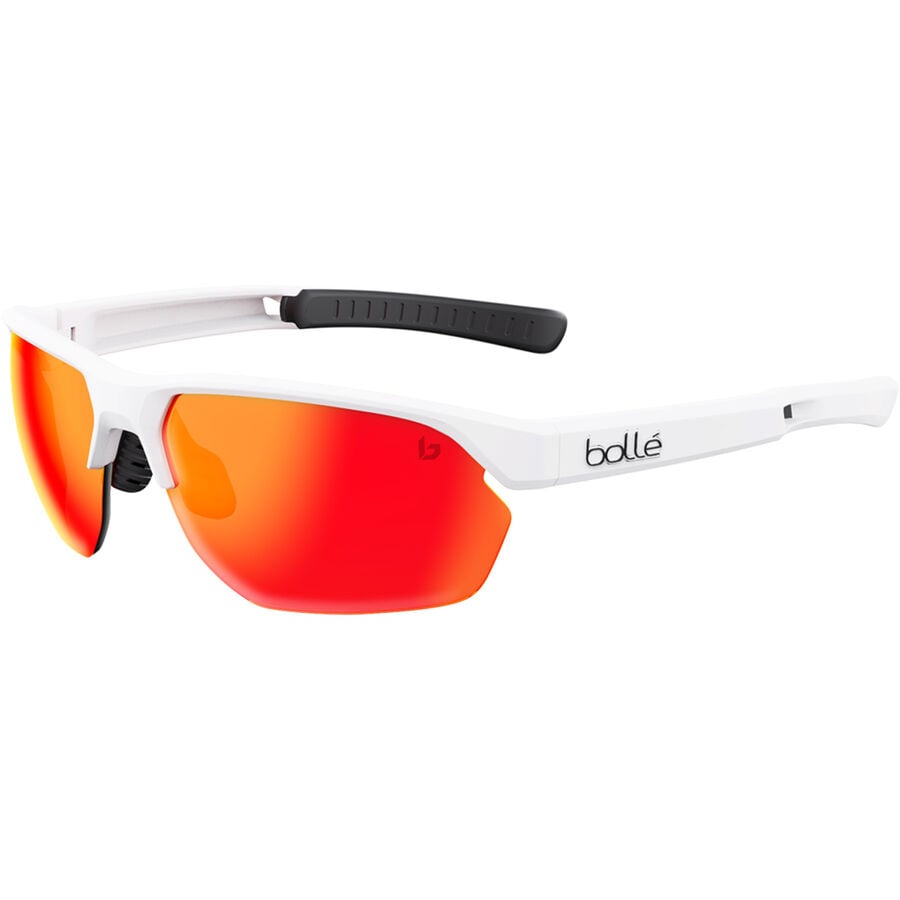
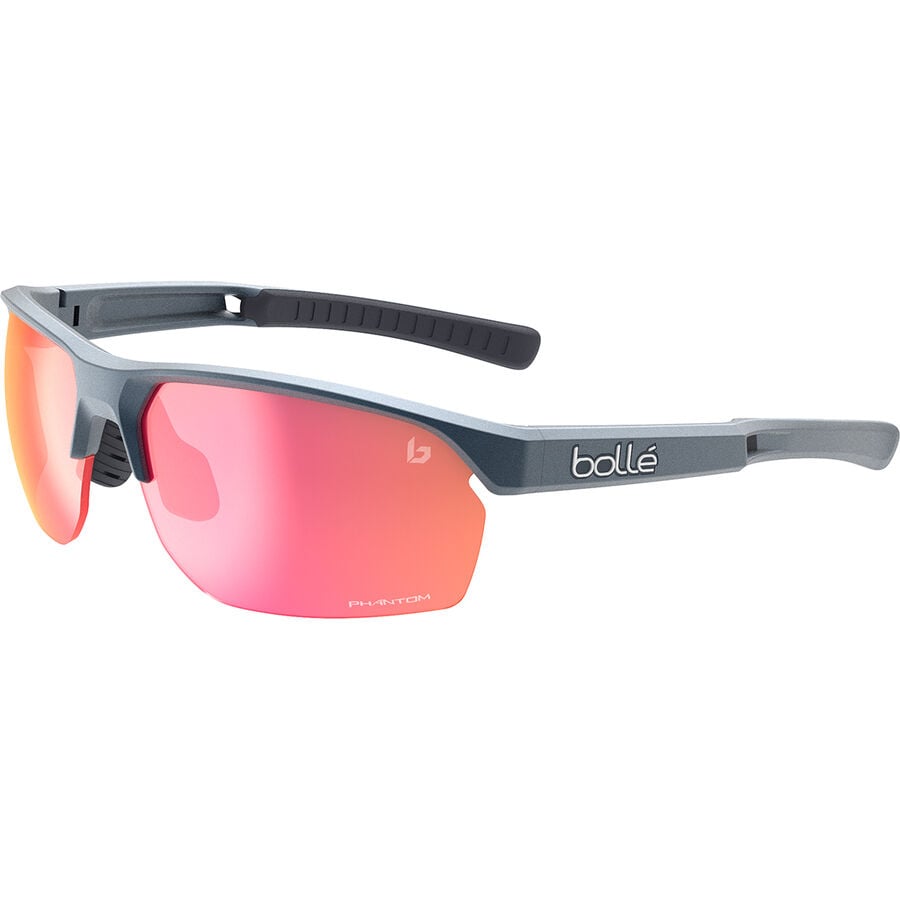
Copper or rose tinted lenses are particularly well suited to trail running. They emphasize differences in relief and improve the perception of details, even in changing light conditions.
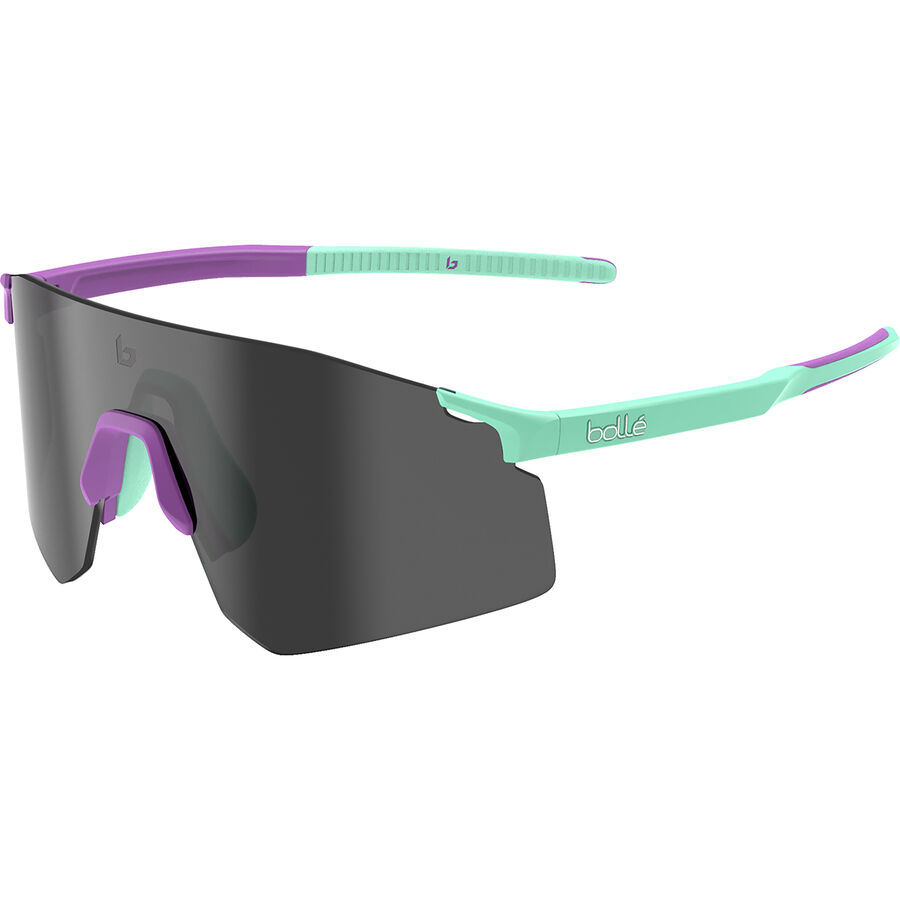
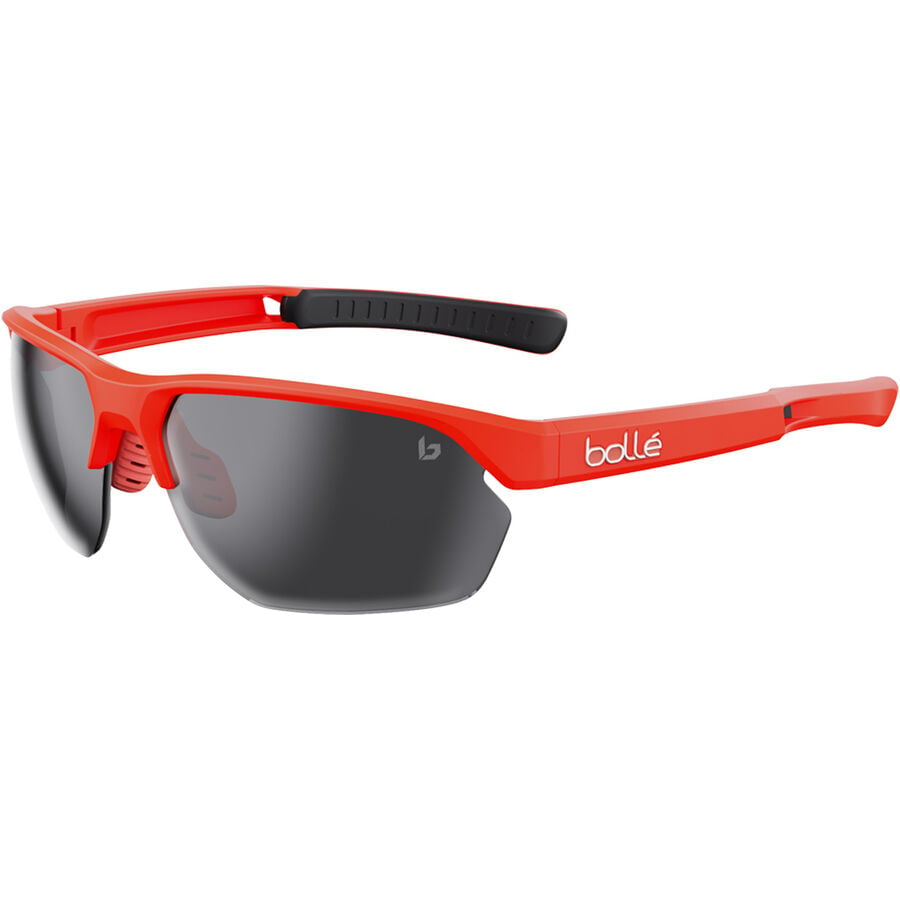
Conversely, lenses that are too neutral or too dark tend to smooth out contrast. The terrain then looks more uniform, which makes obstacles harder to read.
Adapt your gear to your environment
Your lens choice should always be based on the terrain and the conditions you run in.
In the forest or on wet terrain, it is essential to favor lenses that boost contrast. In high mountains, where light is stronger, it is best to find a balance between sun protection and terrain readability.
In every case, the goal remains the same: improve perception to anticipate better.
Bollé expertise: see better to run better
Bollé lenses are designed to meet the demands of real terrain. They combine protection, comfort and visual performance.
Thanks to technologies like Volt+, you get a better reading of terrain features and sharper vision at key moments.
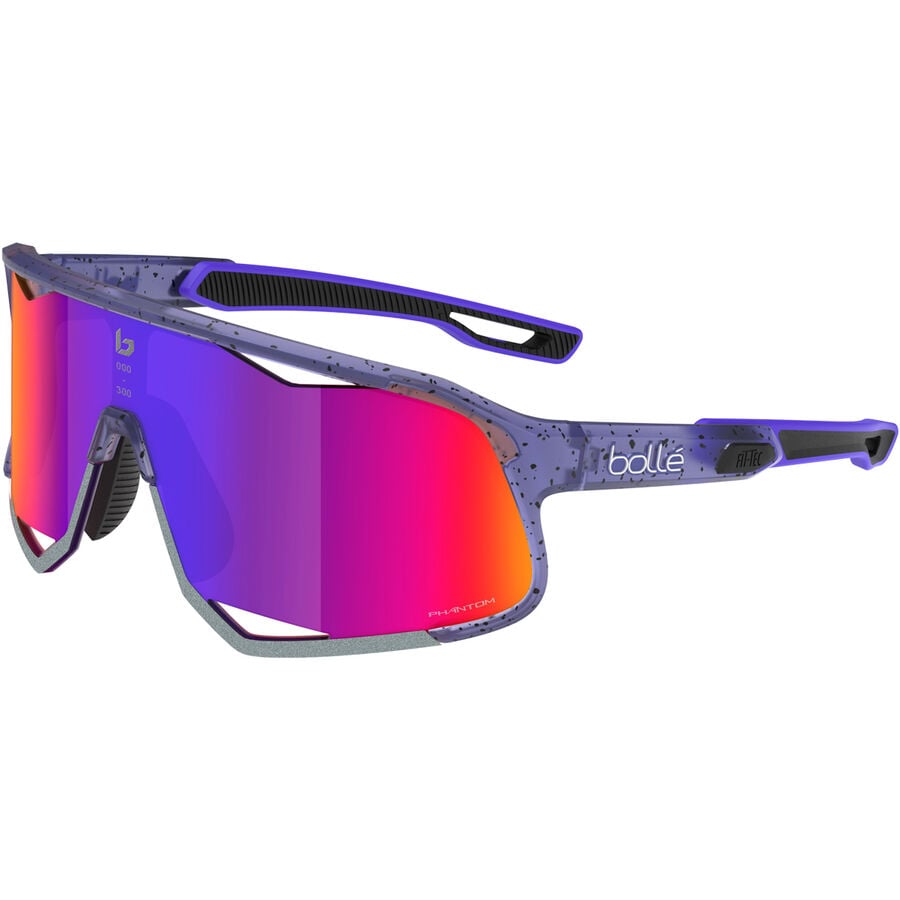
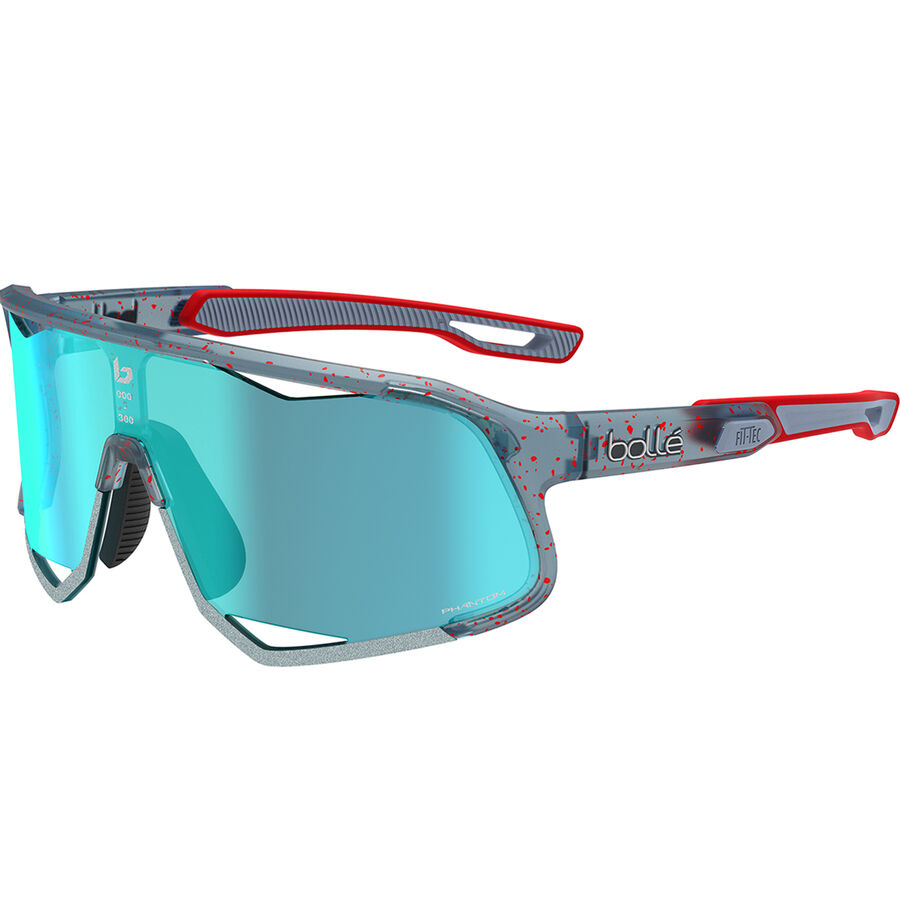
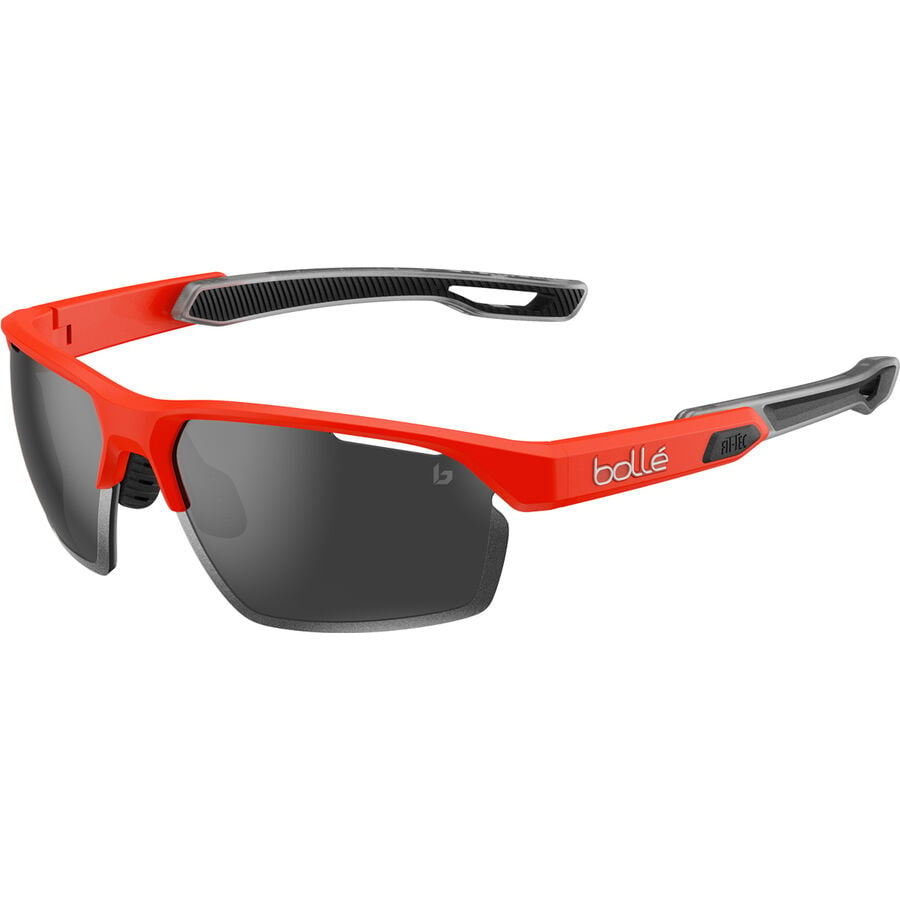
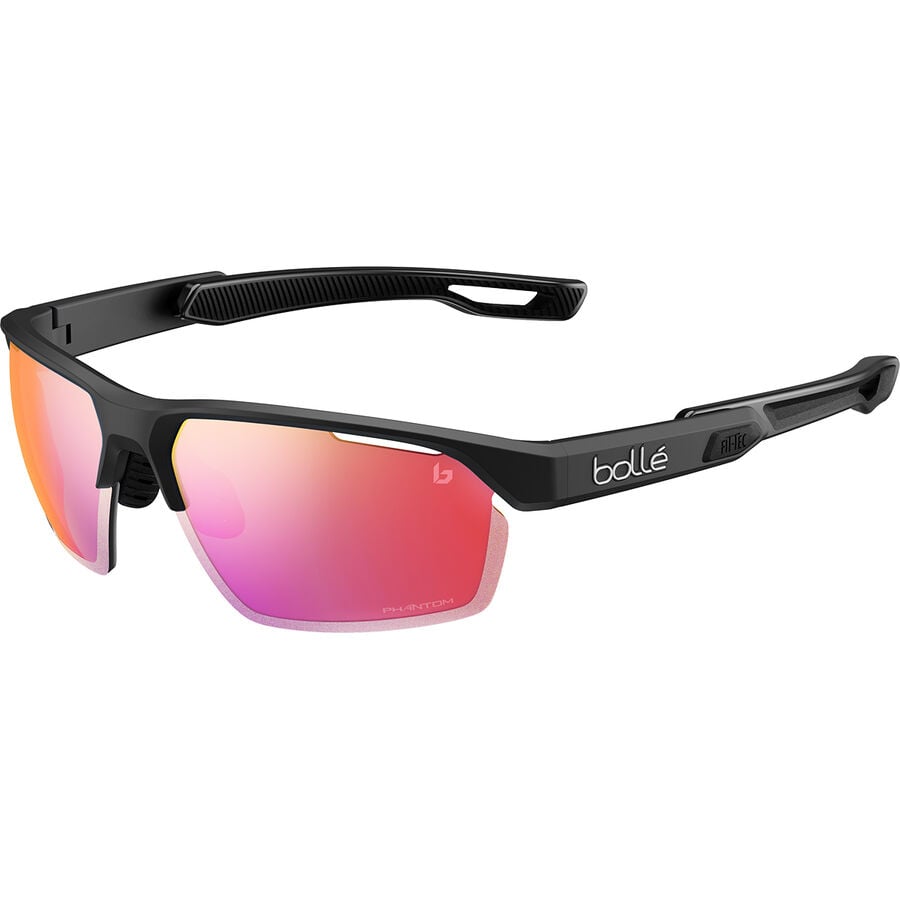
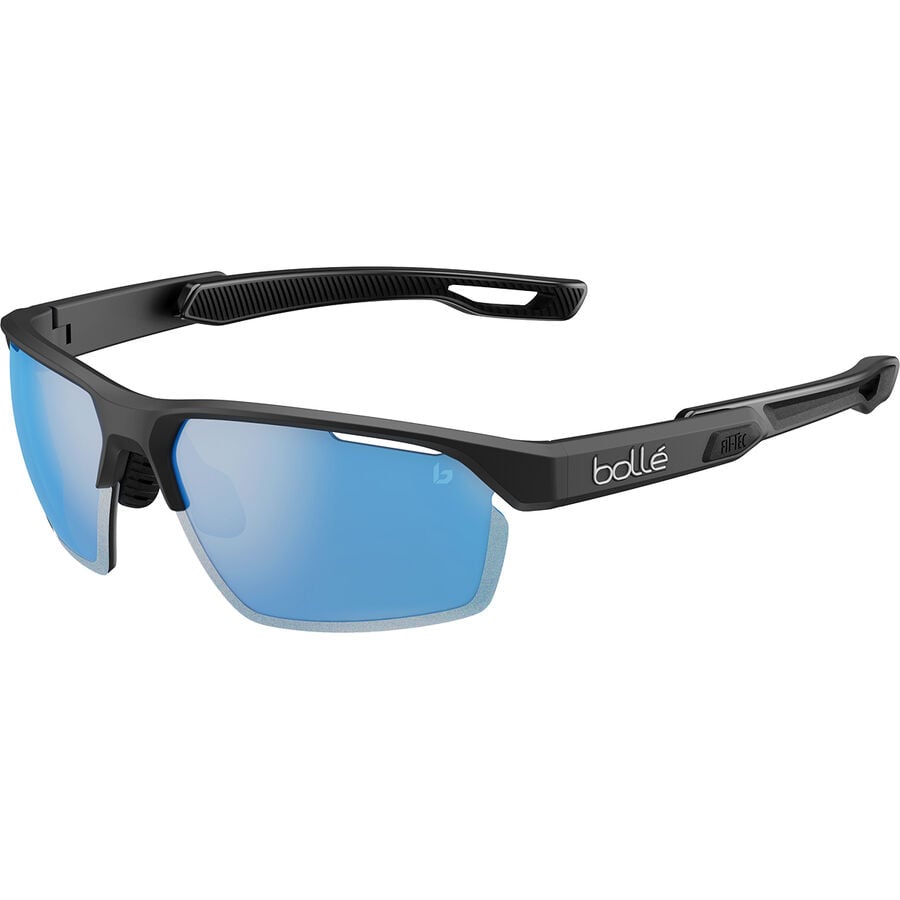
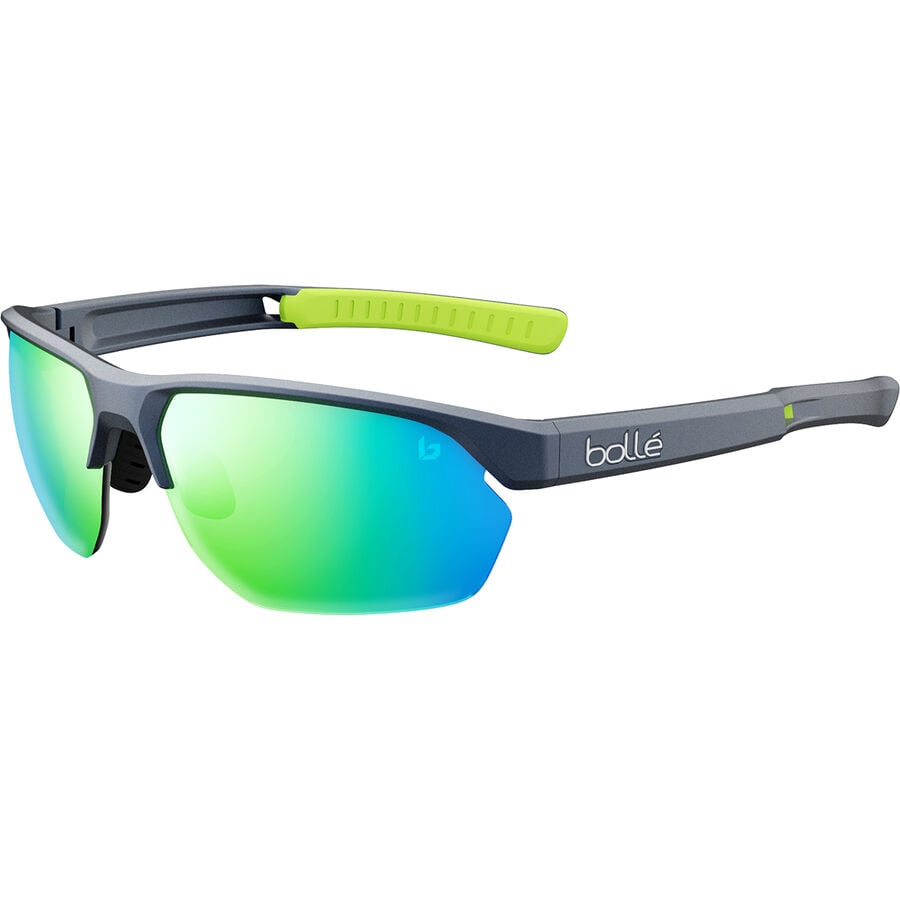
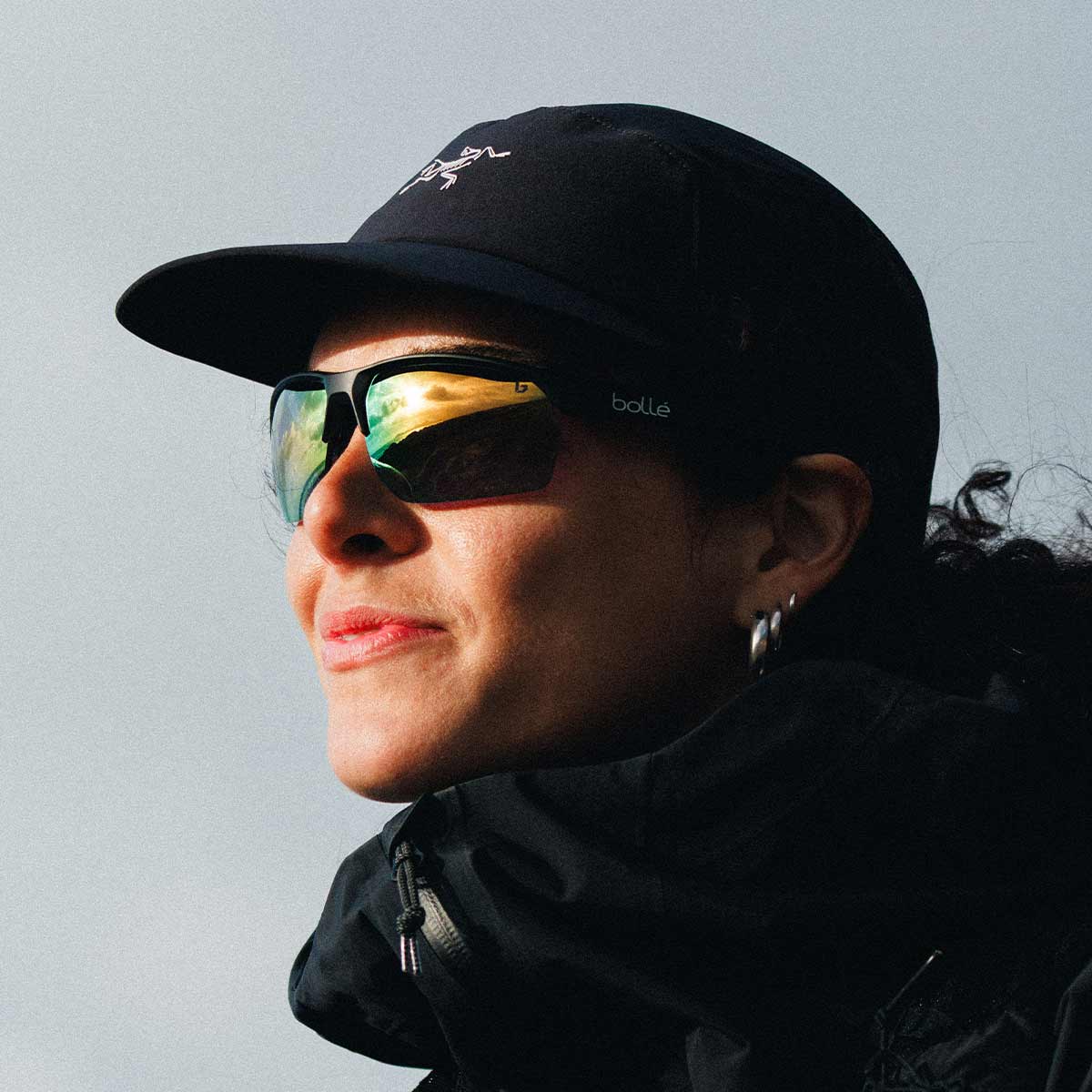
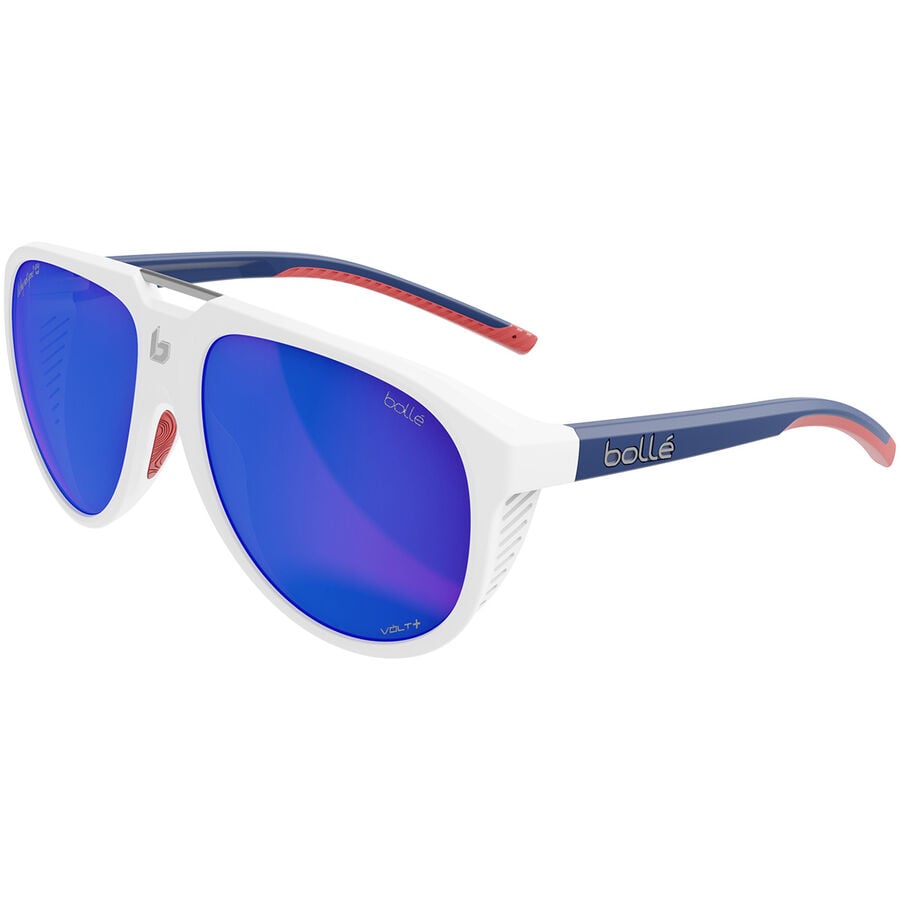
Discover the Bollé trail running sunglasses designed to improve your perception of the terrain.





.jpg "EUPHORIA, White Blue Red Matte-Volt+ Ultraviolet Polarized")