What happens to your eyes at high altitude?
In the mountains, the risk doesn't just come from the cold. Sunlight is much more intense and can be particularly harsh on your eyes — even on cloudy days.
As altitude increases, UV exposure becomes stronger because the atmosphere filters fewer rays. On top of that, snow acts like a mirror, reflecting up to 80% of UV rays.
The result: your eyes are exposed both directly and indirectly, making the overall exposure much more intense — even without feeling heat.
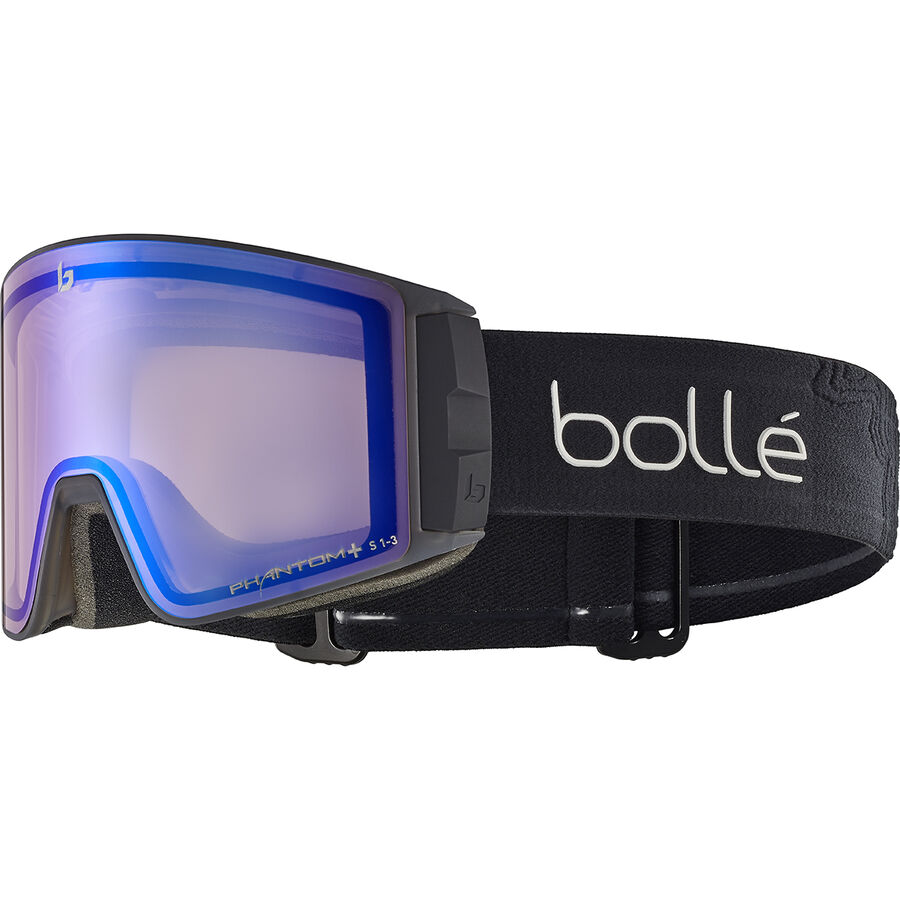
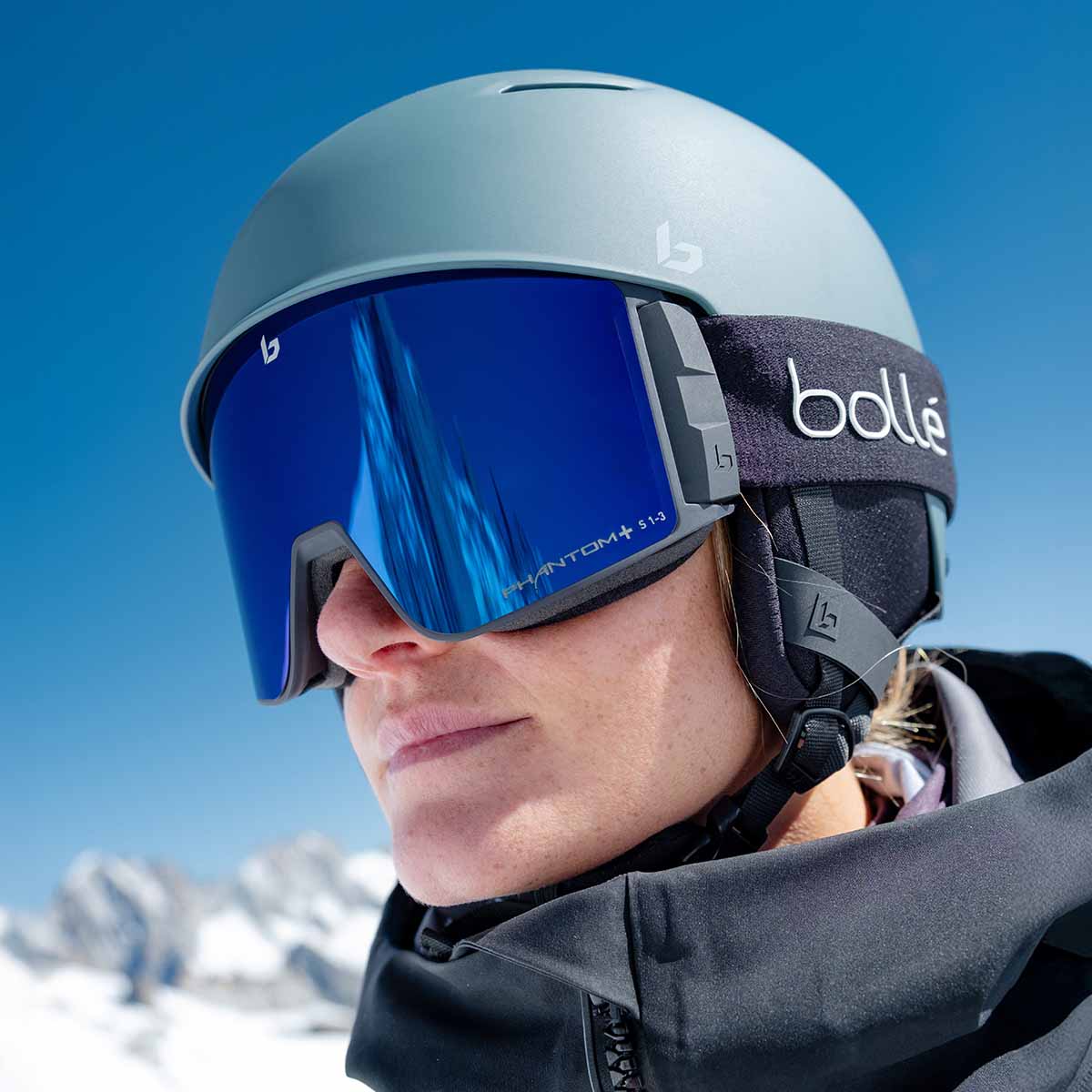
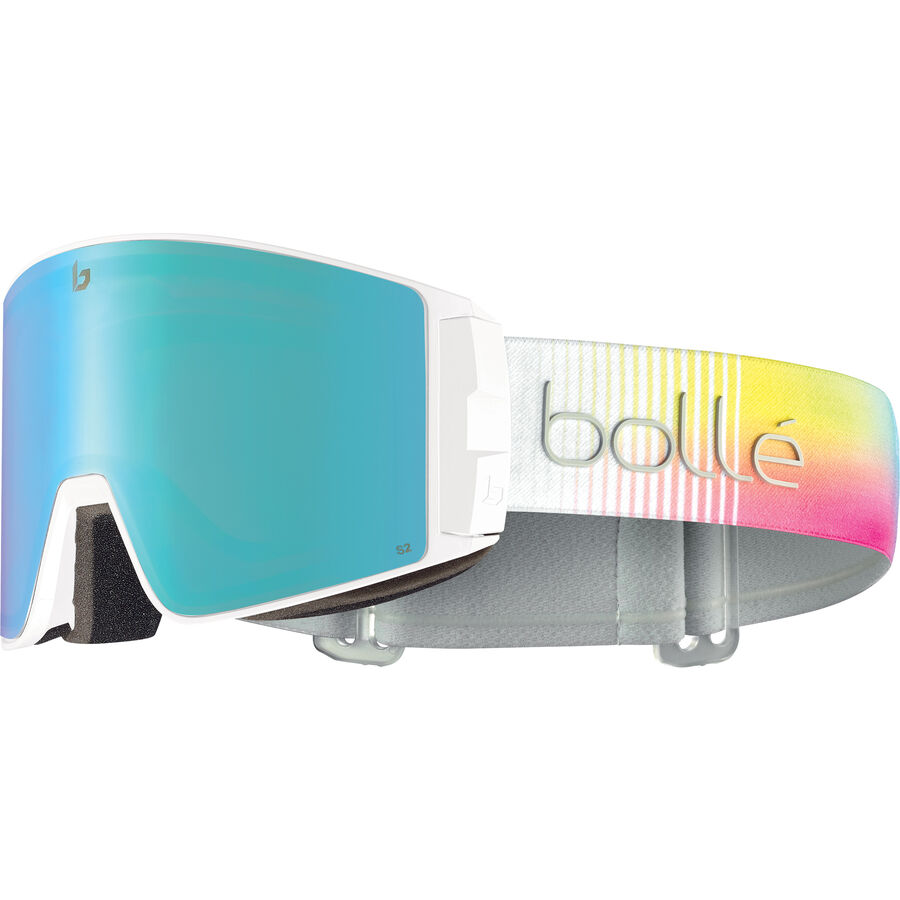
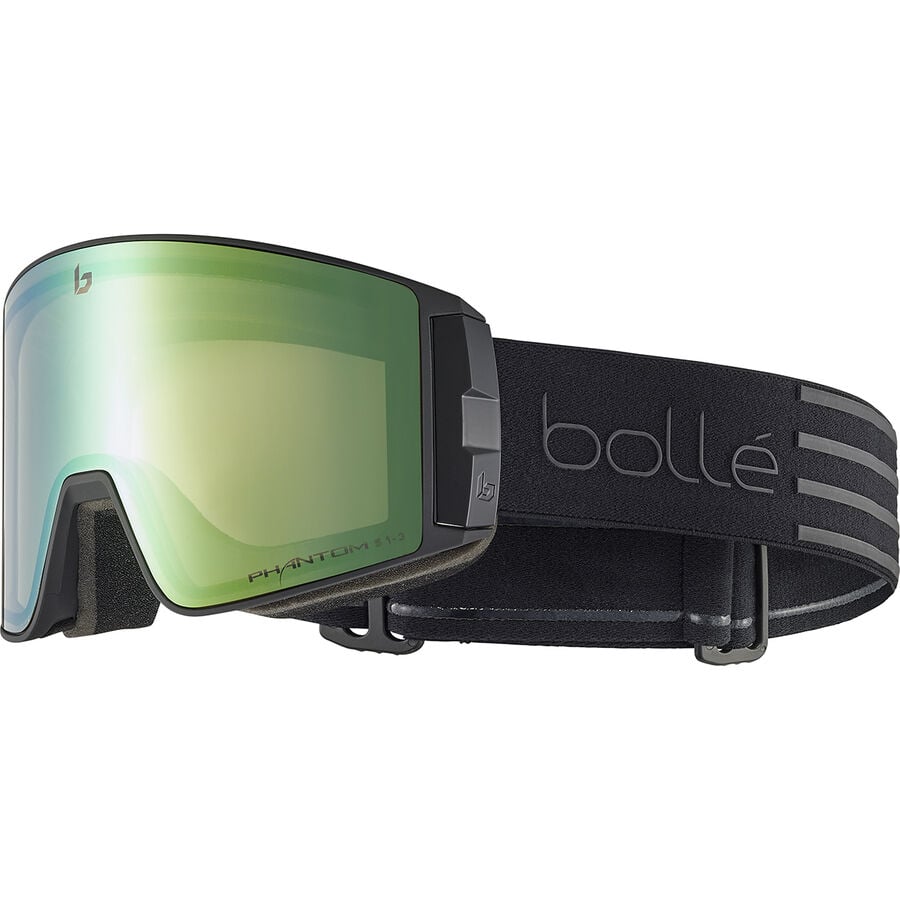
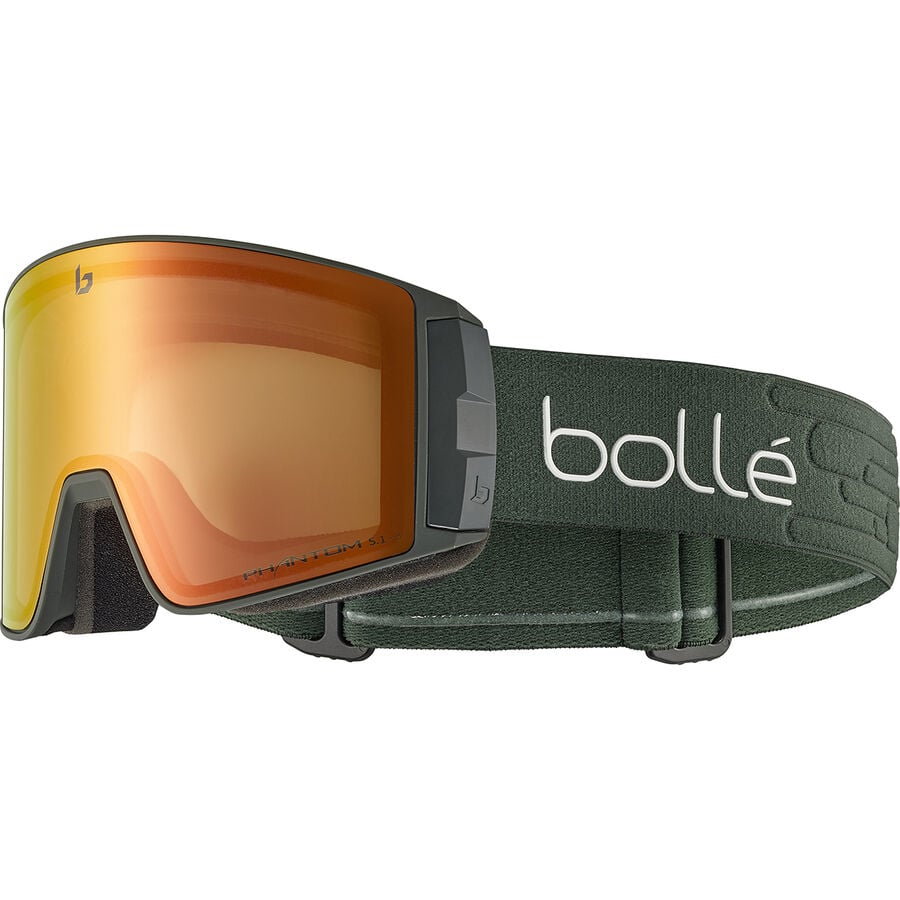
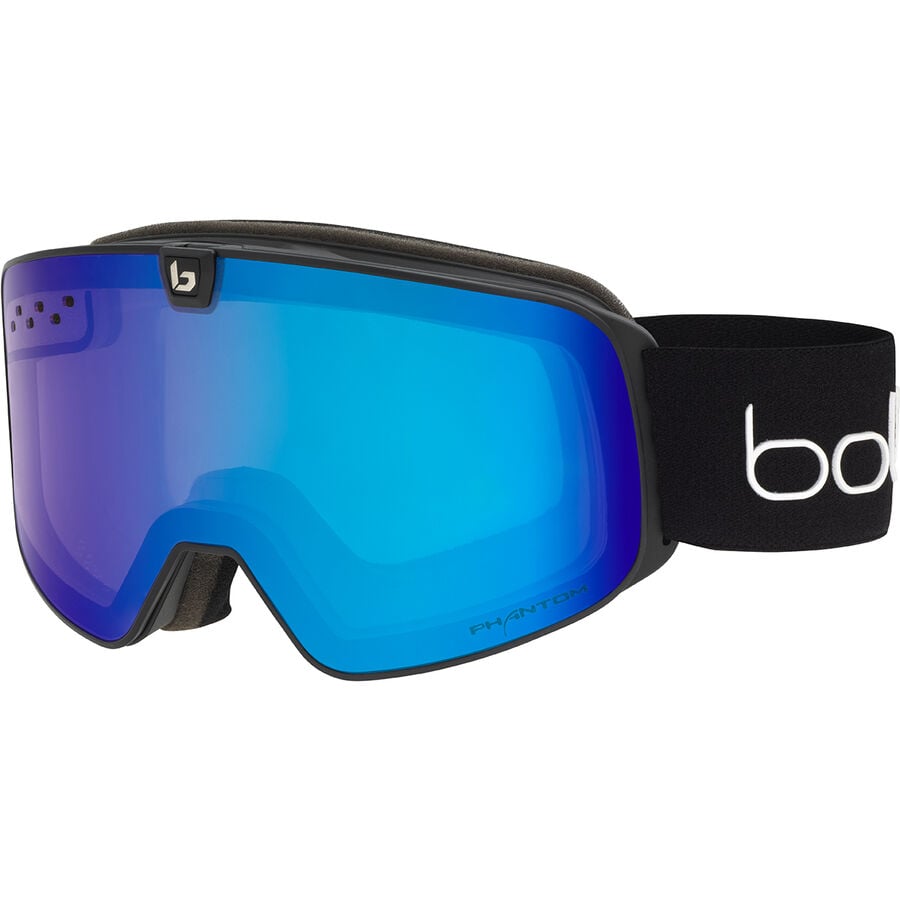
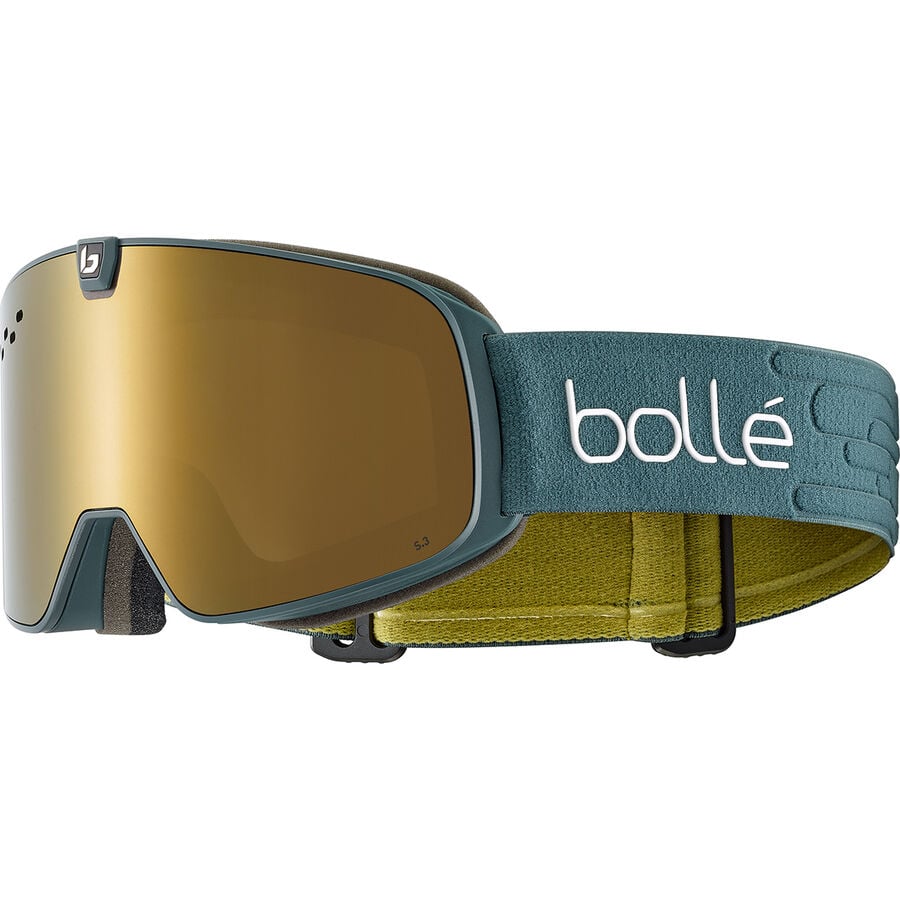
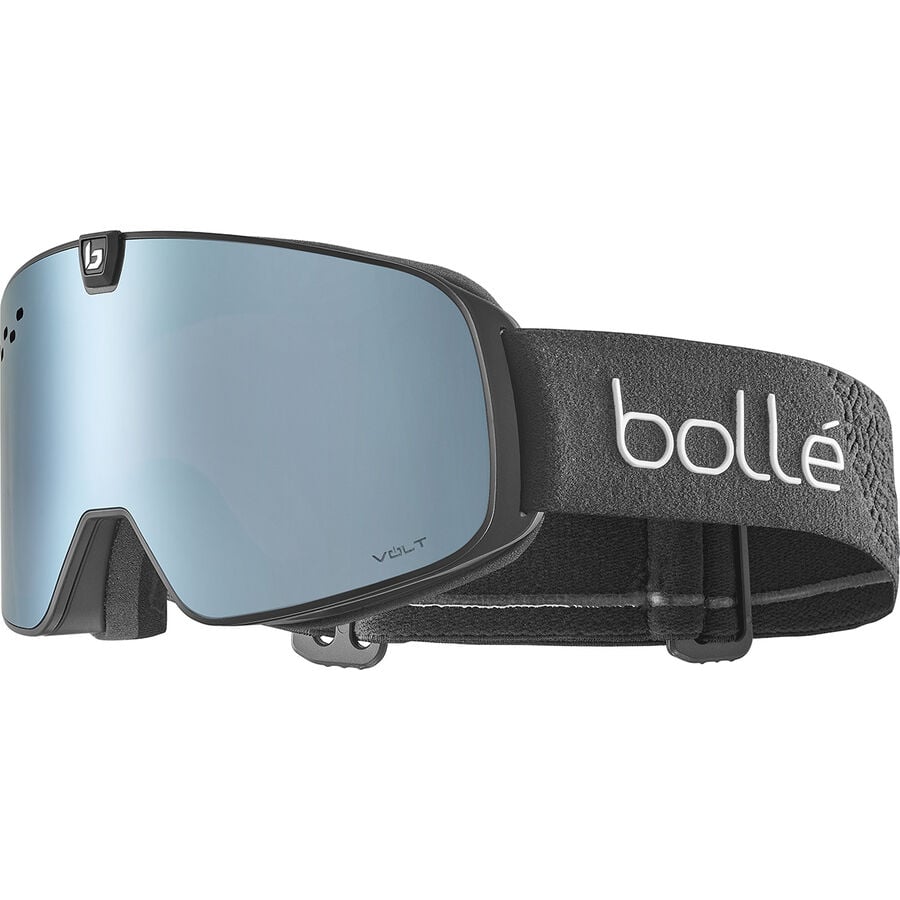
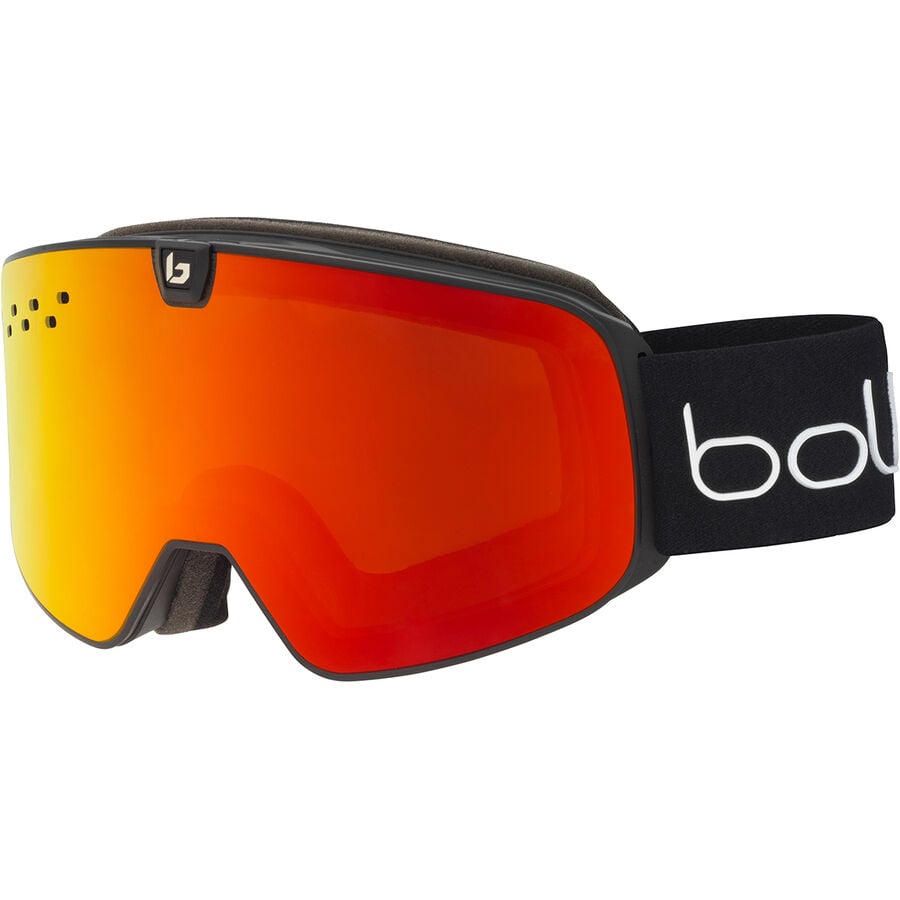
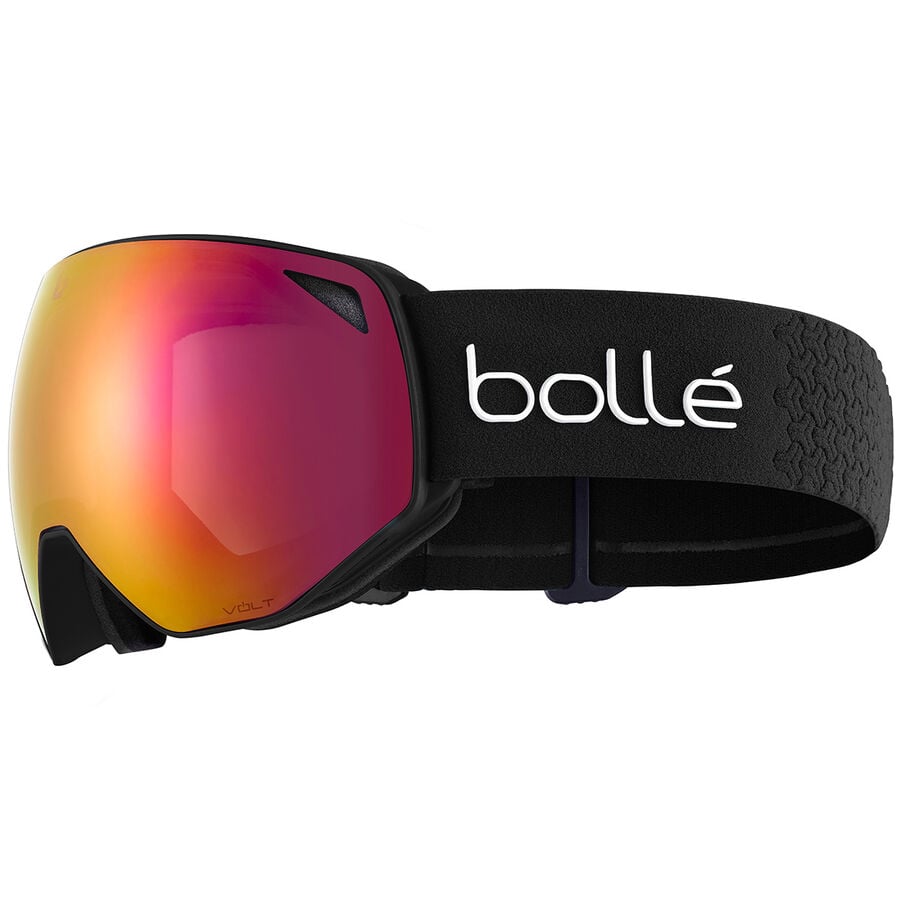
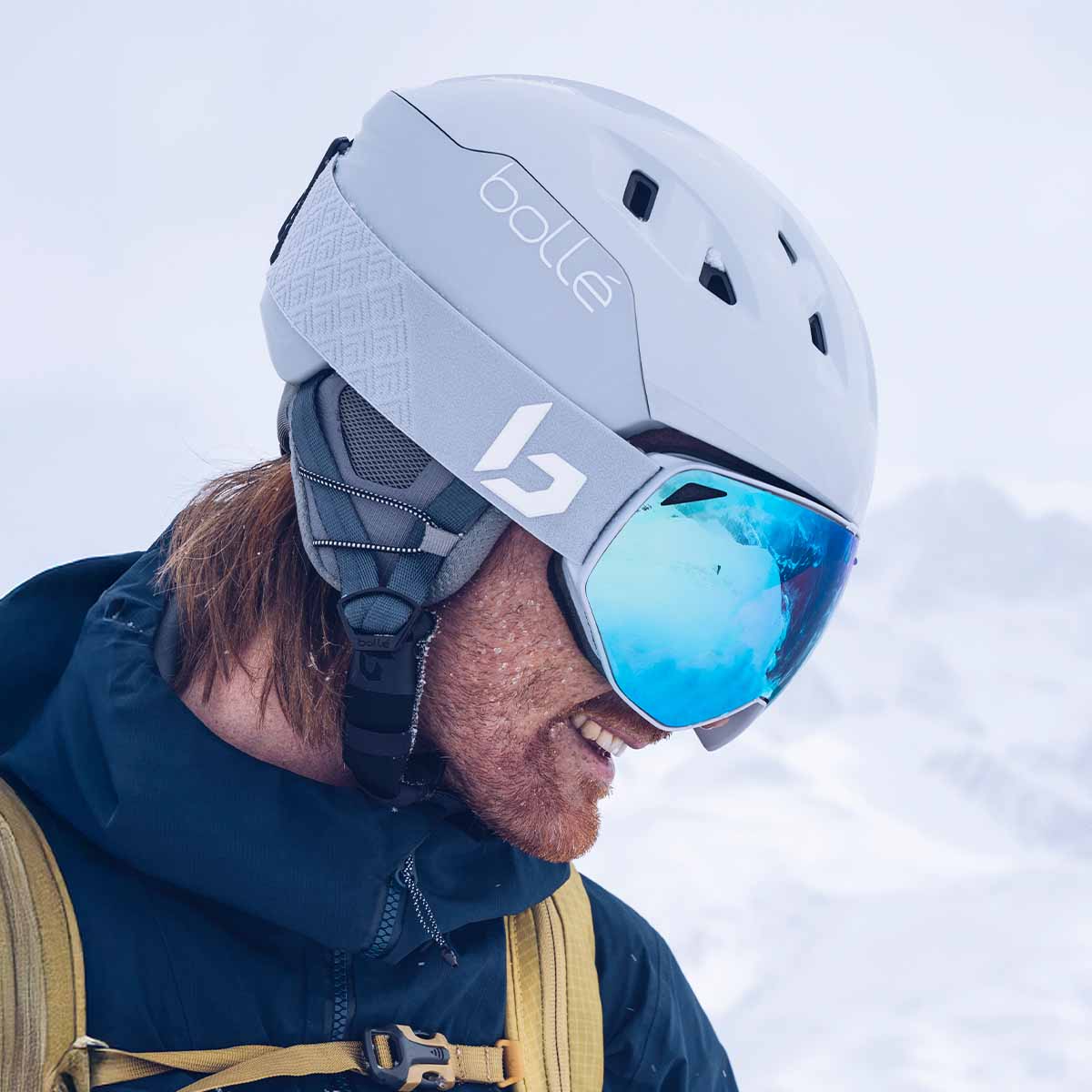
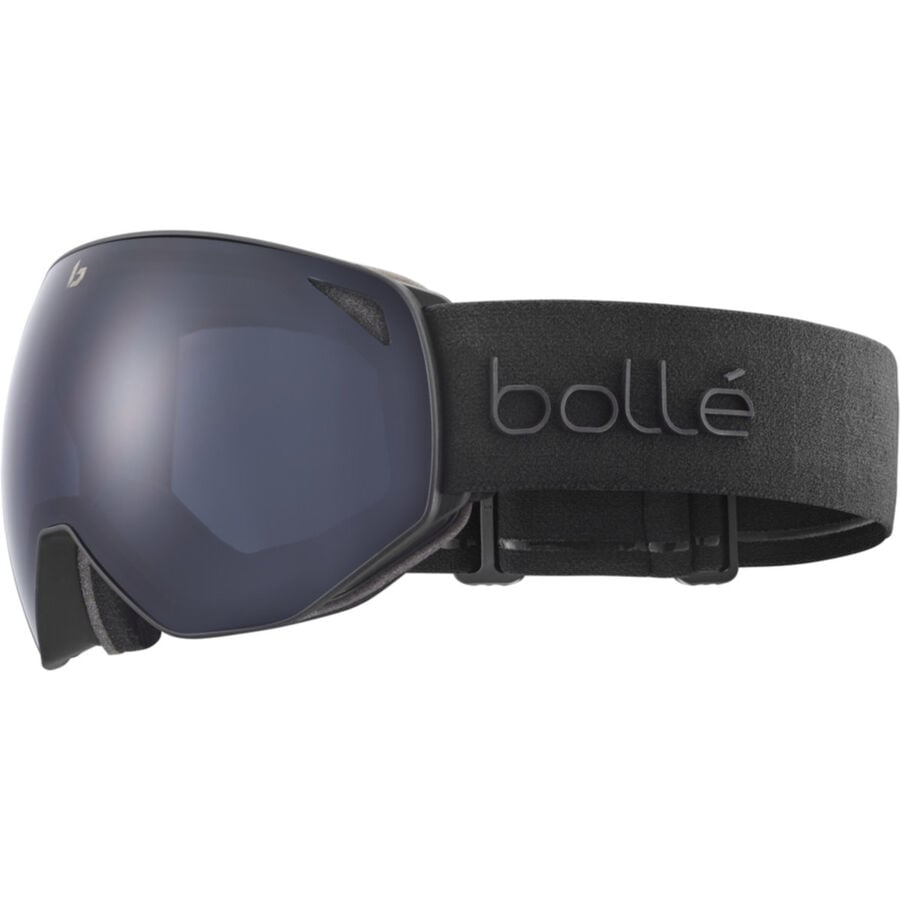
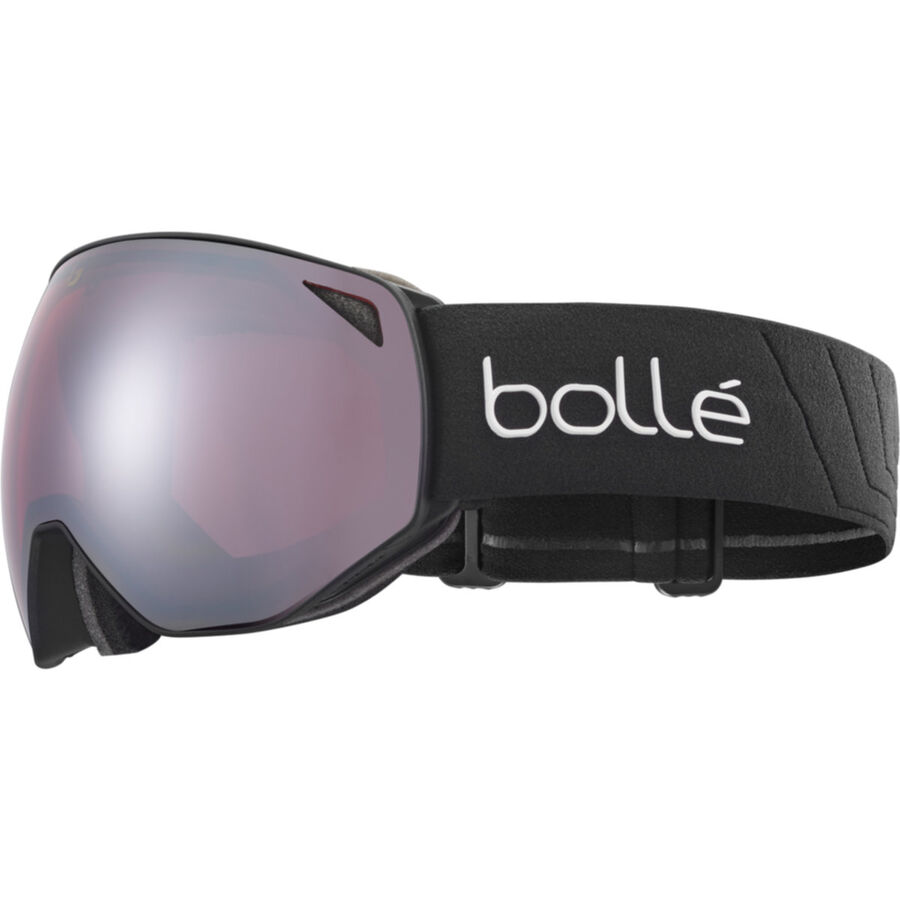
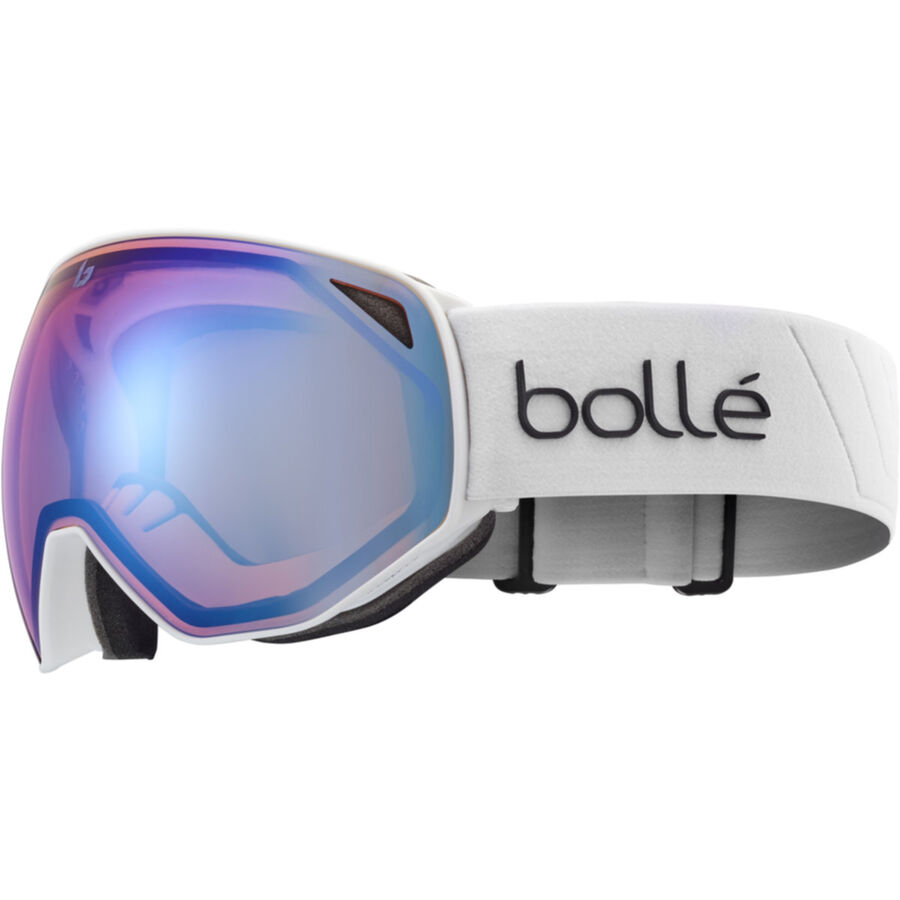
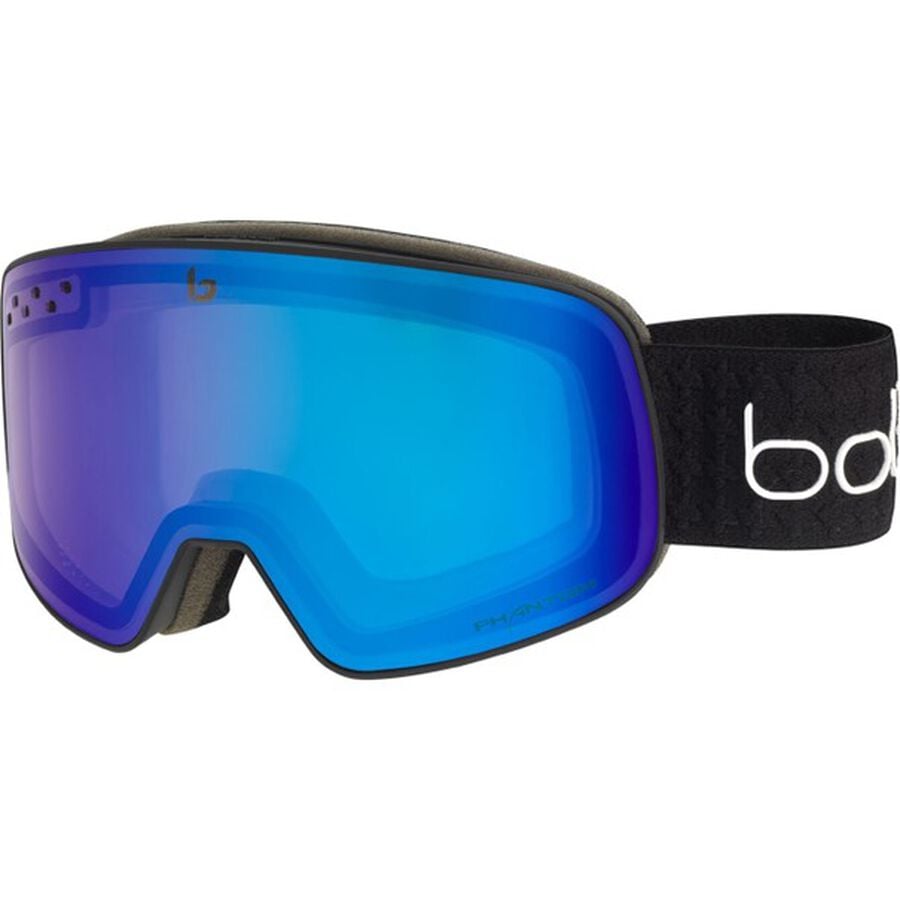
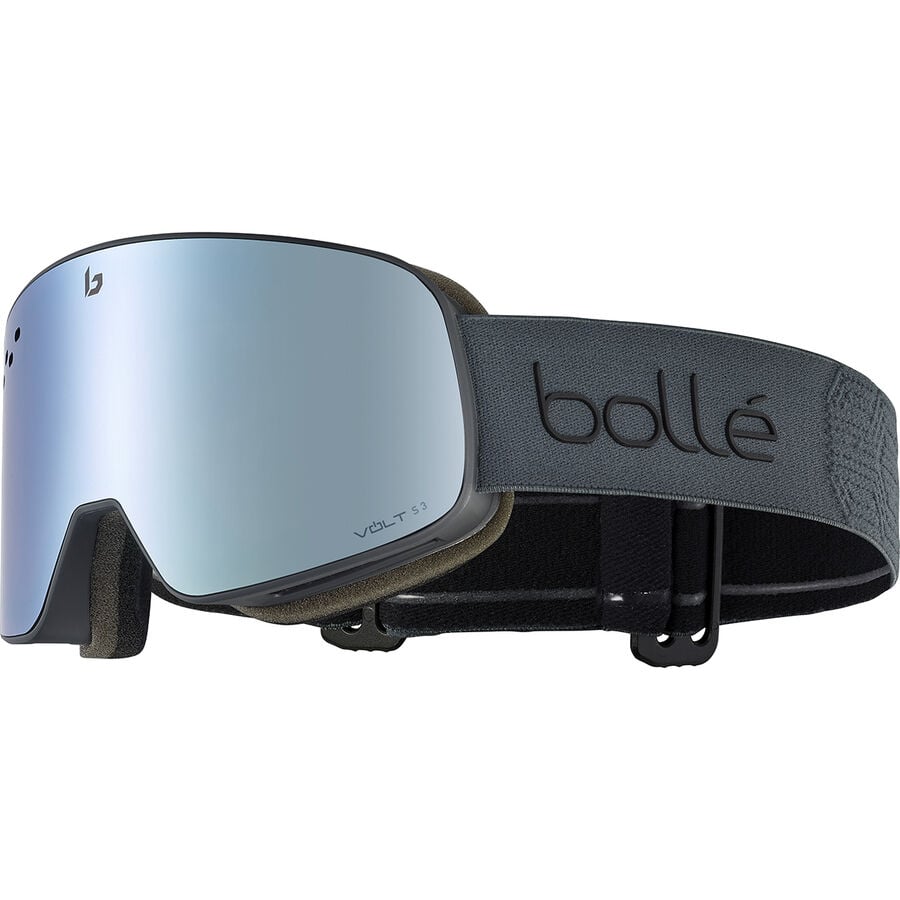
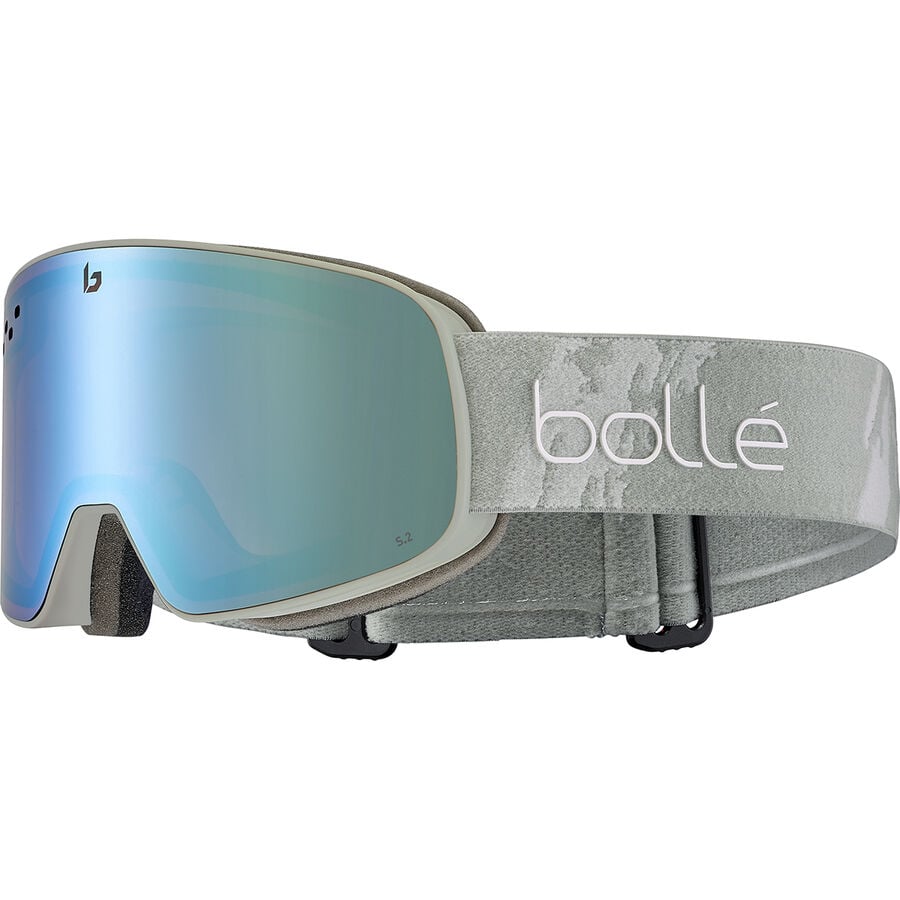
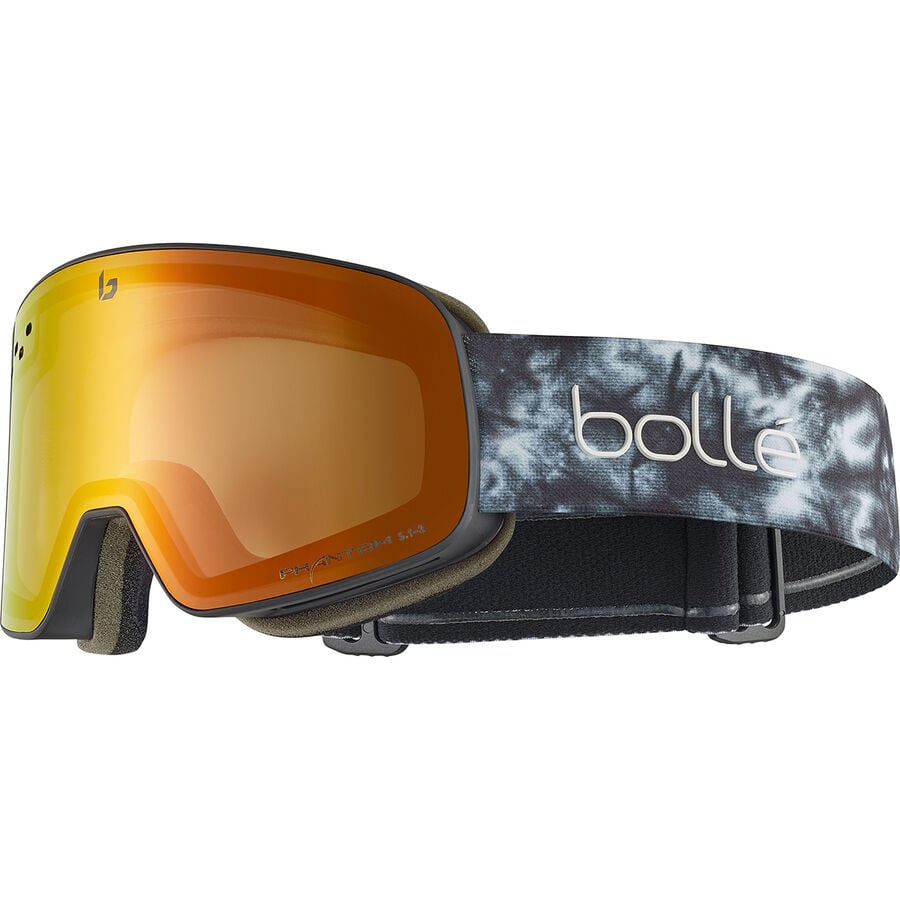
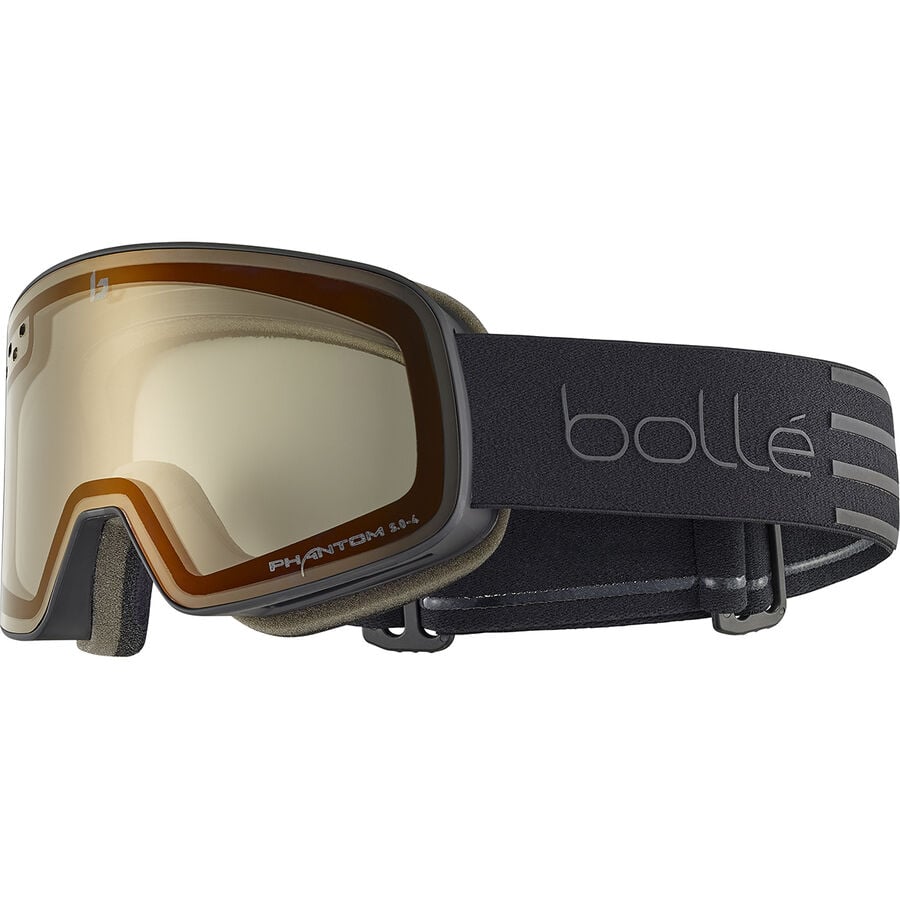
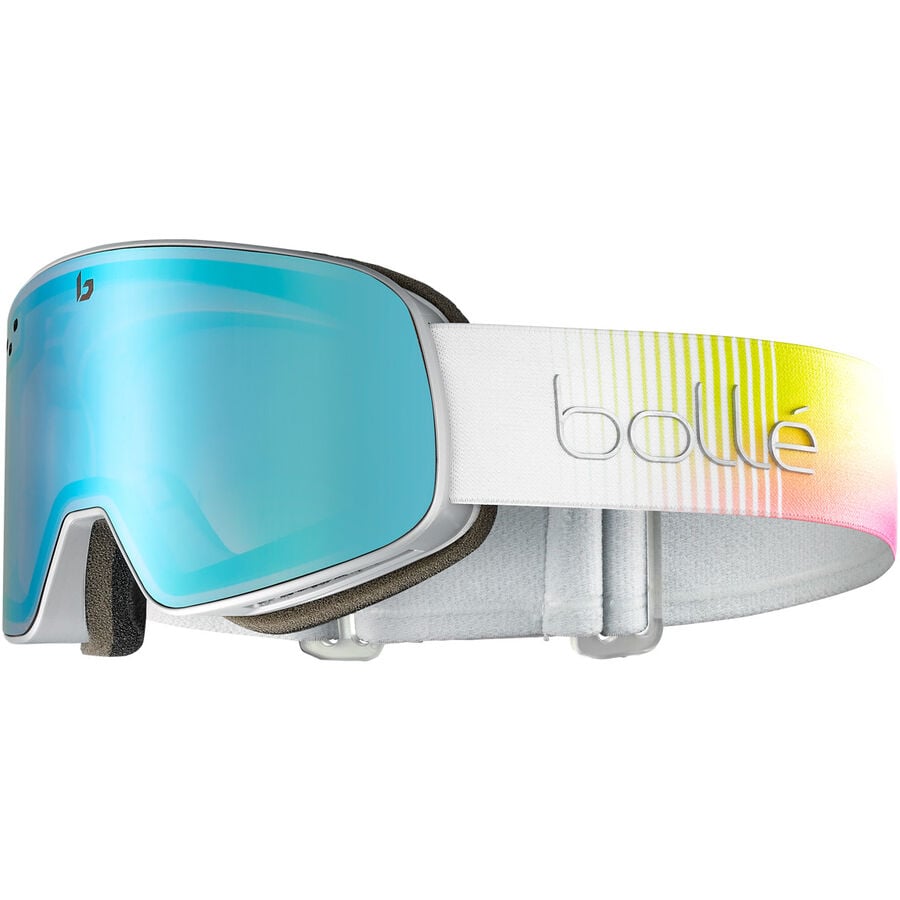
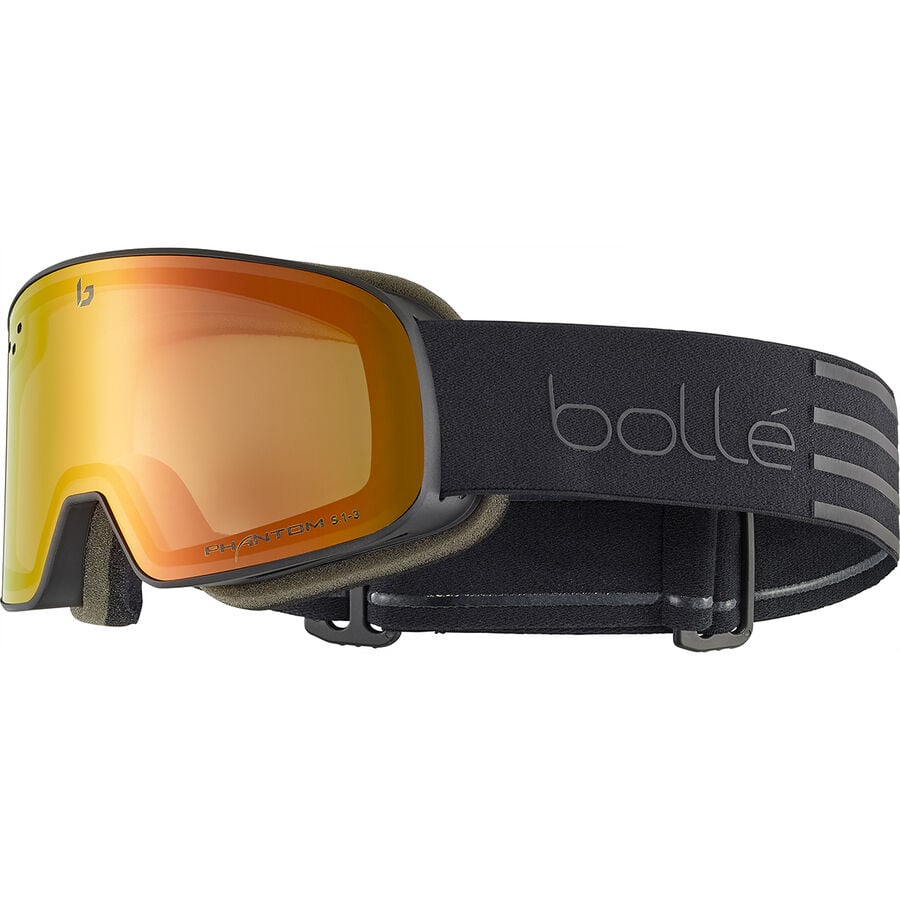
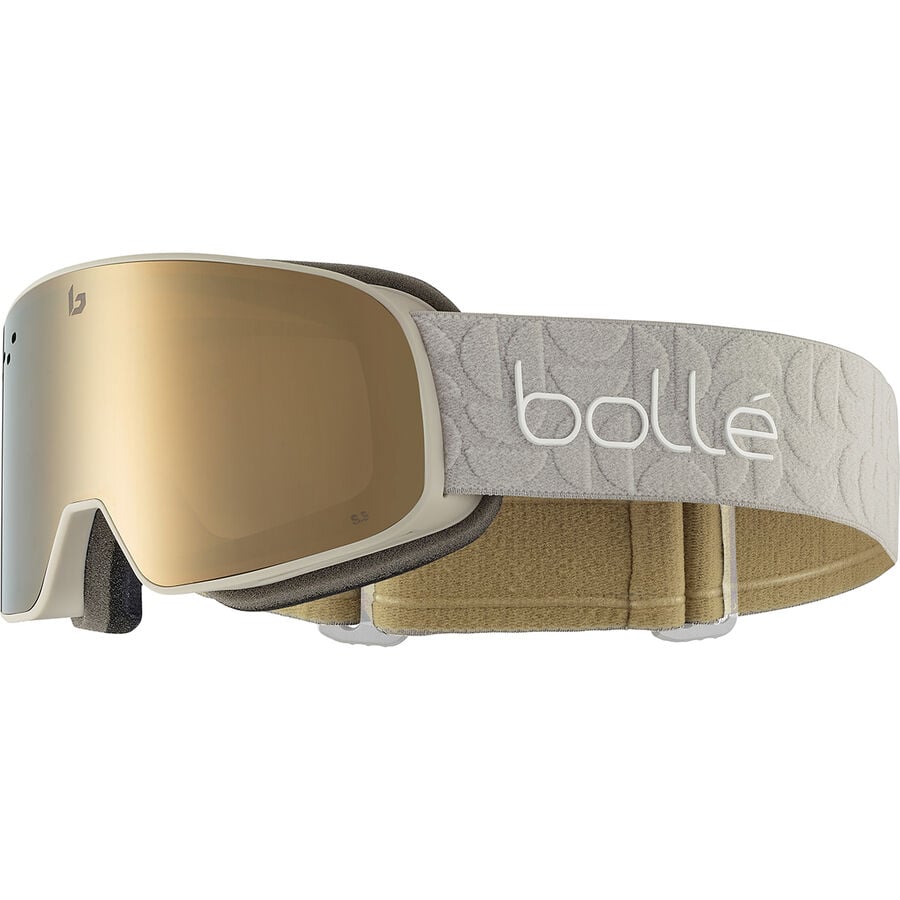
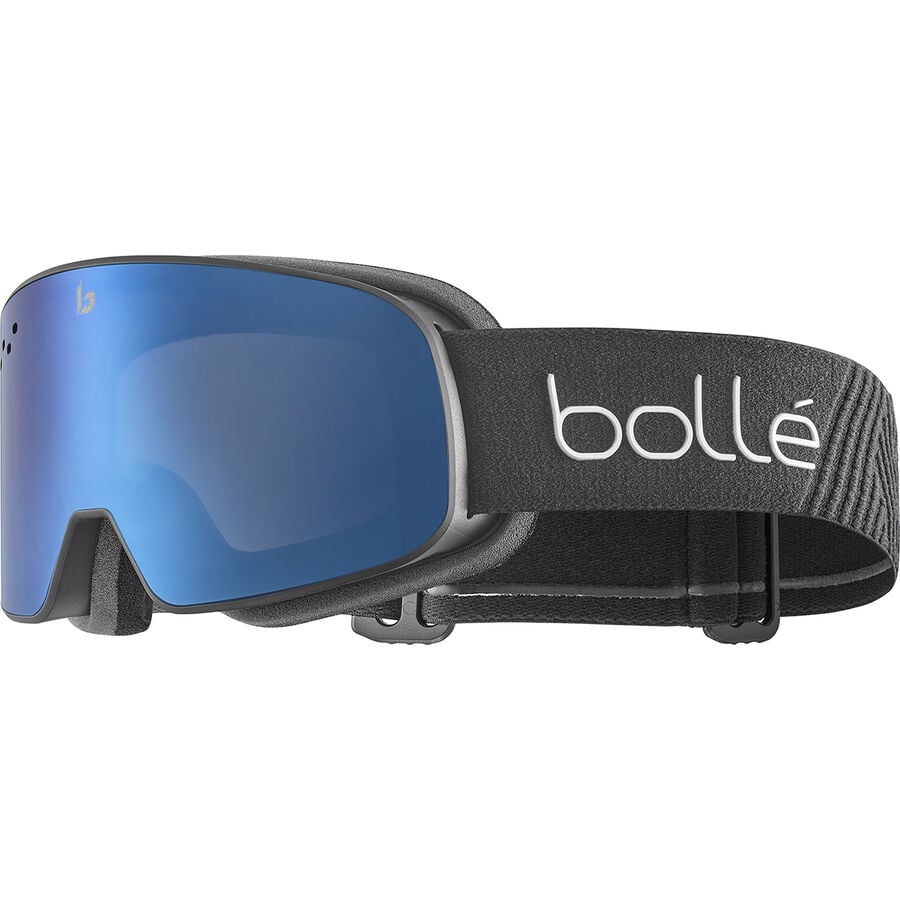
Shop our ski goggles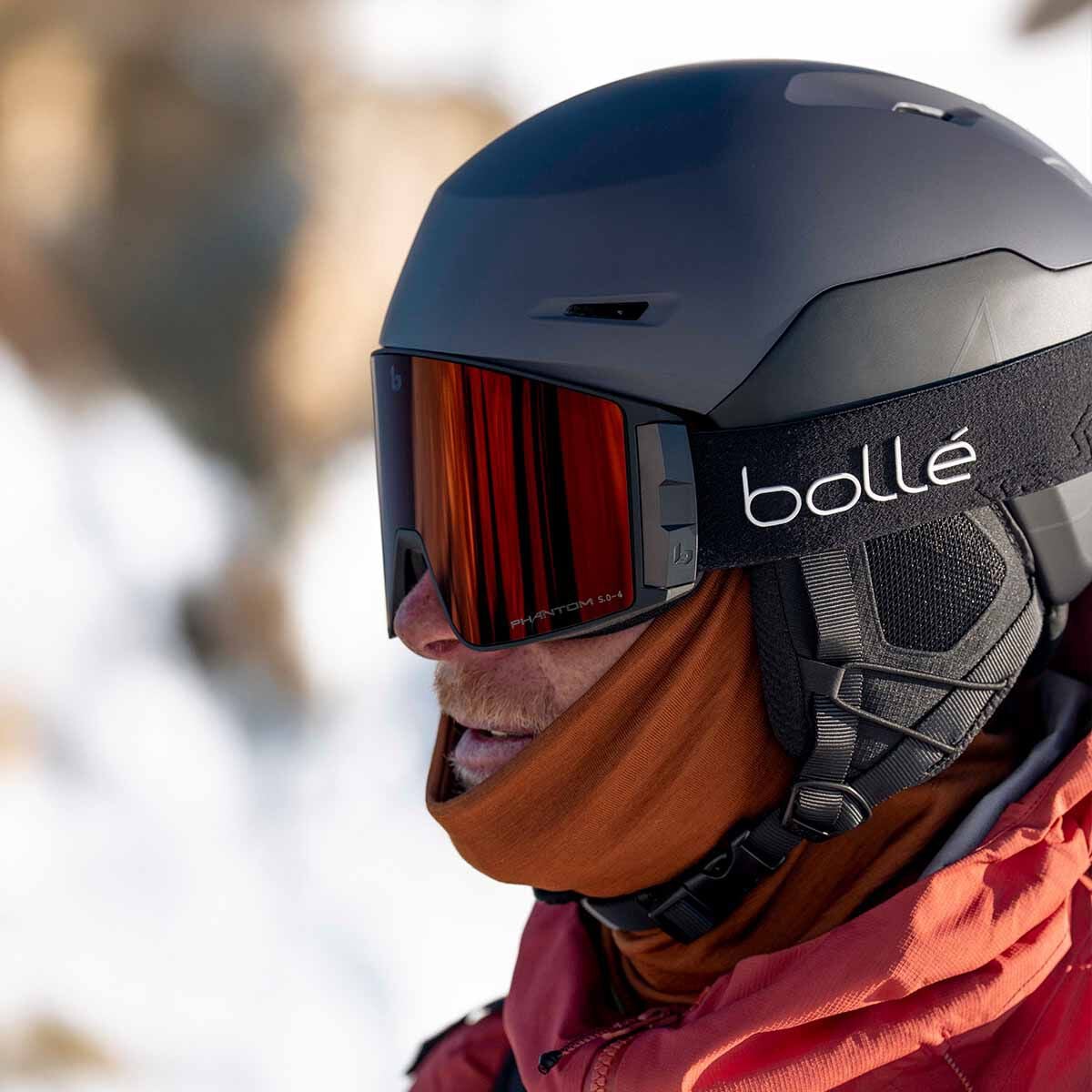
Exposure can quickly become uncomfortable
In the mountains, too much sun exposure can quickly irritate your eyes.
The tricky part is that you don't always feel it right away. Symptoms often appear a few hours later.
You may experience:
- A gritty, “sand in the eyes” sensation
- Discomfort or stinging
- Strong sensitivity to light
- Watery eyes
- Slightly blurred vision
It's usually not serious, but it can be very uncomfortable… and can easily ruin your day on the slopes.
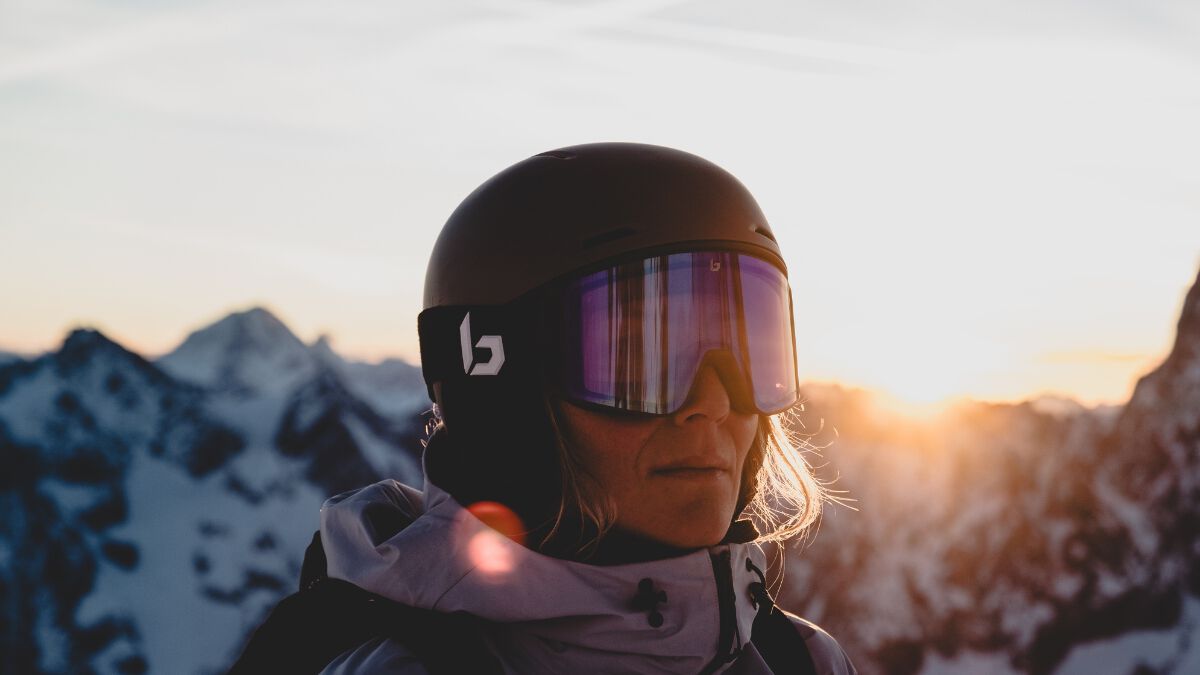
What protection should you choose in the mountains?
Choosing the right lenses is essential to reduce these risks.
Category 3 and 4 lenses are the most suitable:
- Category 3 is ideal for most mountain conditions
- Category 4 is recommended for high altitude or very strong glare
These lenses effectively filter UV rays while reducing glare.
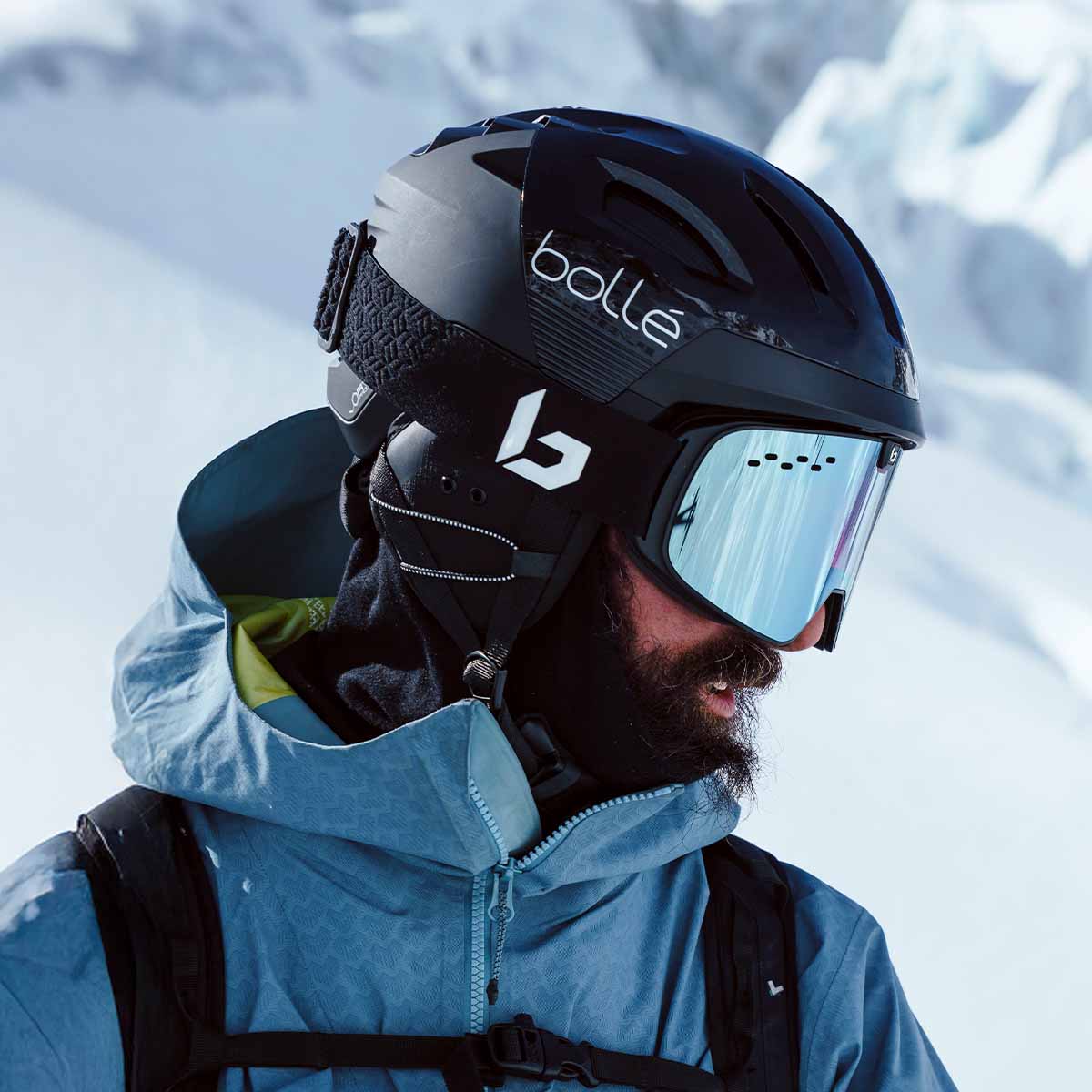
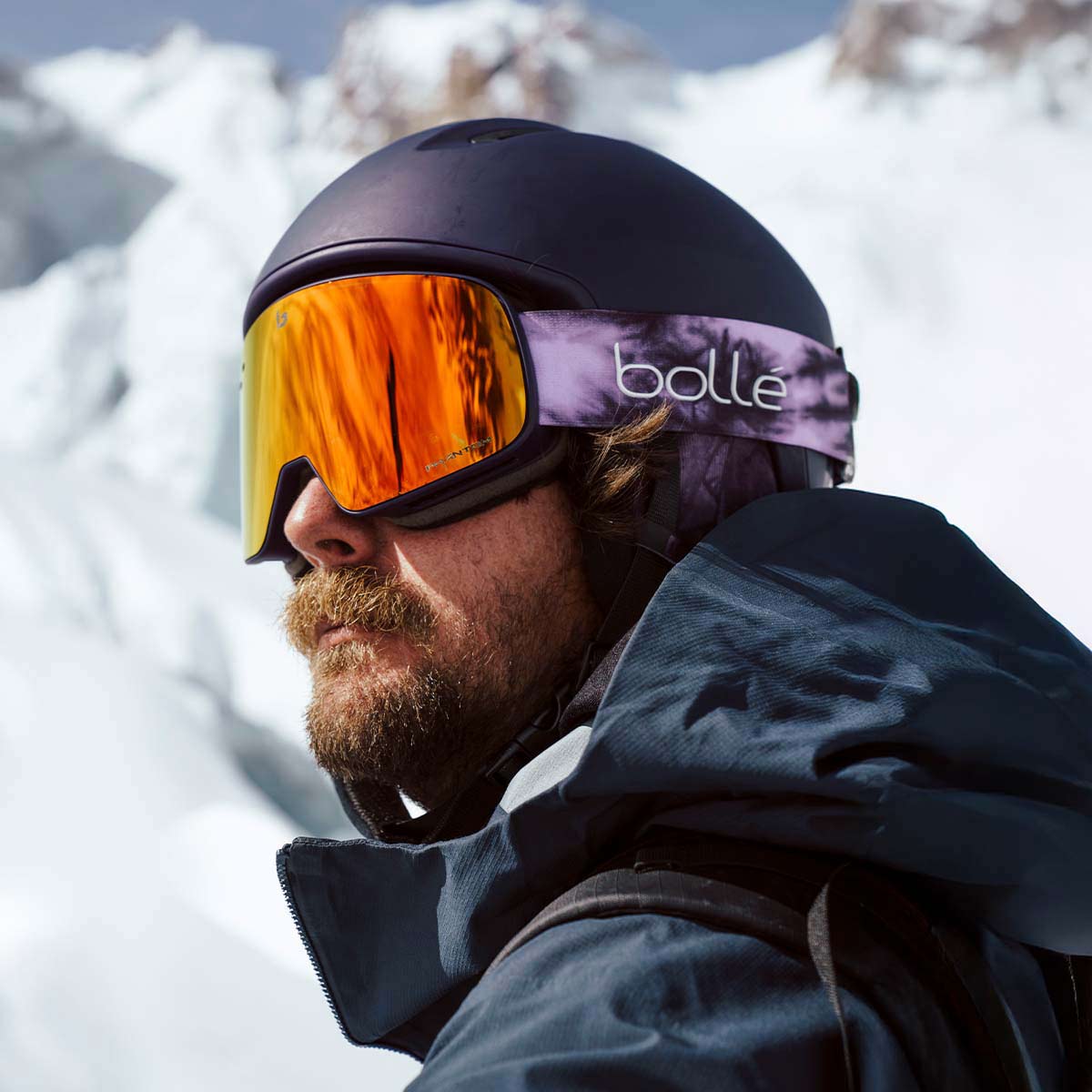
Explore Bollé goggles and sunglasses designed for bright conditions.
Key habits to protect your eyes
A few simple habits can make a big difference:
- Wear your sunglasses from the start of the day
- Avoid prolonged exposure without protection
- Adapt your lenses to the conditions (weather, altitude)