Ski goggles: what tips to avoid fogging?
It's time to go skiing! Ready to hit the slopes, you notice that your goggles are fogging up. It's a problem every skier faces, but a few simple tips make it very easy to get rid of fog and even stop it from forming. Discover our best tips for keeping fog off your goggles or glasses.
Buy our ski goggles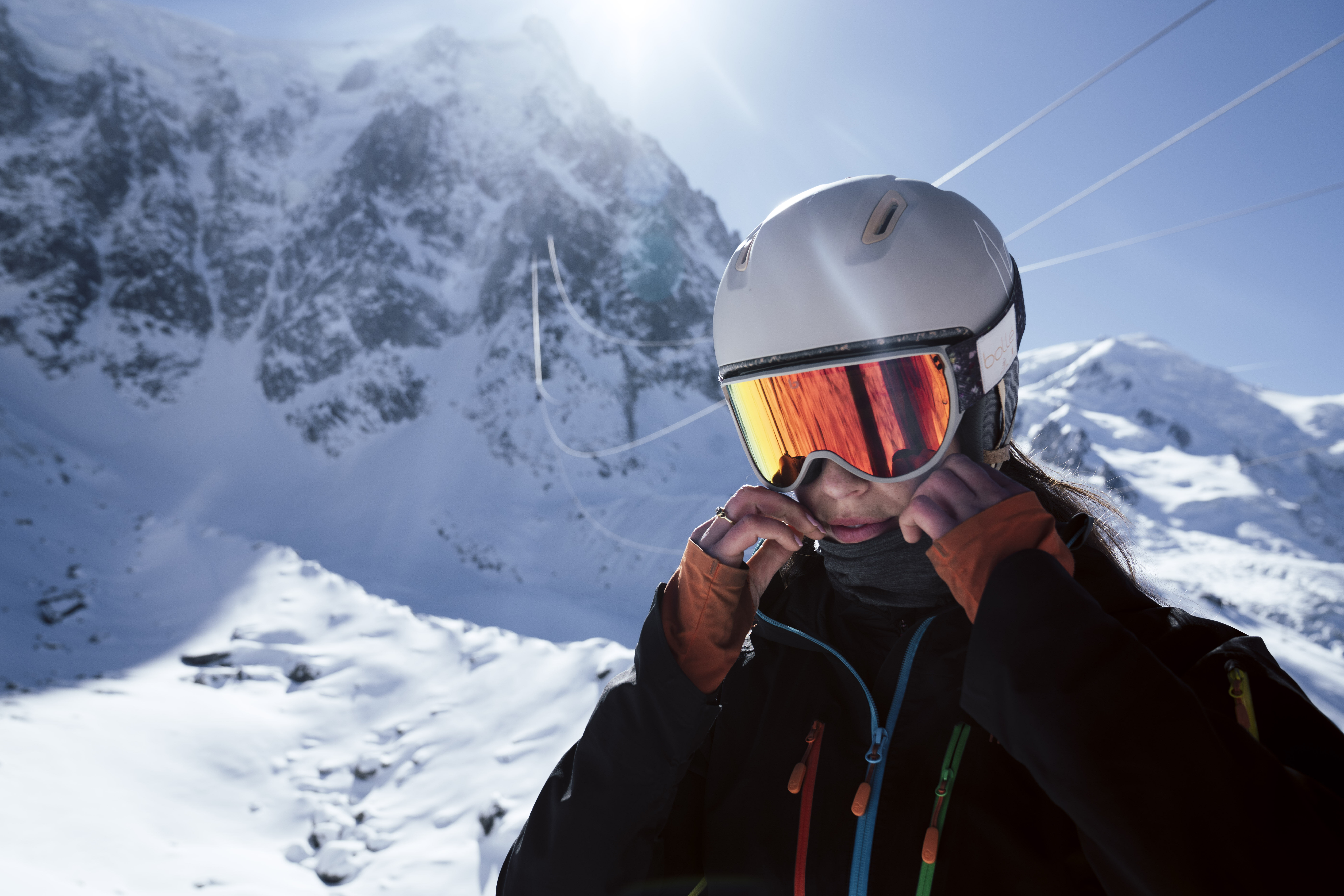
Why does fog form on my glasses and ski goggles?
A completely normal physical phenomenon, fogging is the result of moisture in the air turning into water. When the warm air produced by your face meets the cold surface of your goggles or glasses, the moisture condenses from a gas into a liquid. Fine water droplets then form and cling to the lens, obstructing your vision. In general, this happens when there is a significant difference between the temperature of the outside air and that of the air trapped between your skin and your eyewear. That's why it happens so often on the slopes.
Habits to avoid
A few bad habits can cause your sunglasses or goggle lens to fog up.
If you regularly take off and put back on your ski goggles or glasses, for example, you greatly increase the risk of condensation. Likewise, if you tend to push your goggles up onto your forehead when you're not skiing, bear in mind that this part of the face produces some of the most heat and moisture. When your goggles sit on your forehead and you sweat, the protective foam becomes soaked. When you put them back over your eyes, the airflow draws that moisture inside and causes fogging. Also be aware that goggles that are too tight will encourage condensation, covering the lens with annoying droplets.
The most effective tips against fogging
How do you stop your ski goggles or glasses from fogging up? Here are the 5 best practices to adopt.
+ Keep your ski goggles and glasses warm
To avoid too great a difference between hot and cold when you put your ski eyewear on, don't store it in places where the temperature is generally low, such as an attic, a cellar or the boot of a car. Instead, keep your goggles or glasses with the rest of your ski clothing in a heated room.
+ Never wipe the inside of the lens
While you're skiing, fog suddenly forms on your lens and your vision blurs. The instinctive reaction is often to take off your goggles or glasses to wipe the lens. However, it's best to resist the temptation, because a quick wipe risks damaging the anti-fog treatment applied to the inside of the lens. Instead, let the fog clear on its own by letting your goggles air-dry for a few seconds, then put them back on.
+ Wear your balaclava and neck warmer correctly
To protect themselves from the cold, many skiers wear a neck warmer or a balaclava. A great idea to keep your face warm, but it can cause fogging. If they are not worn correctly – that is, without touching the foam of your goggles or being tucked under your glasses – the neck warmer or balaclava will direct the warm air you breathe out towards your eyes.
+ Let the air circulate properly
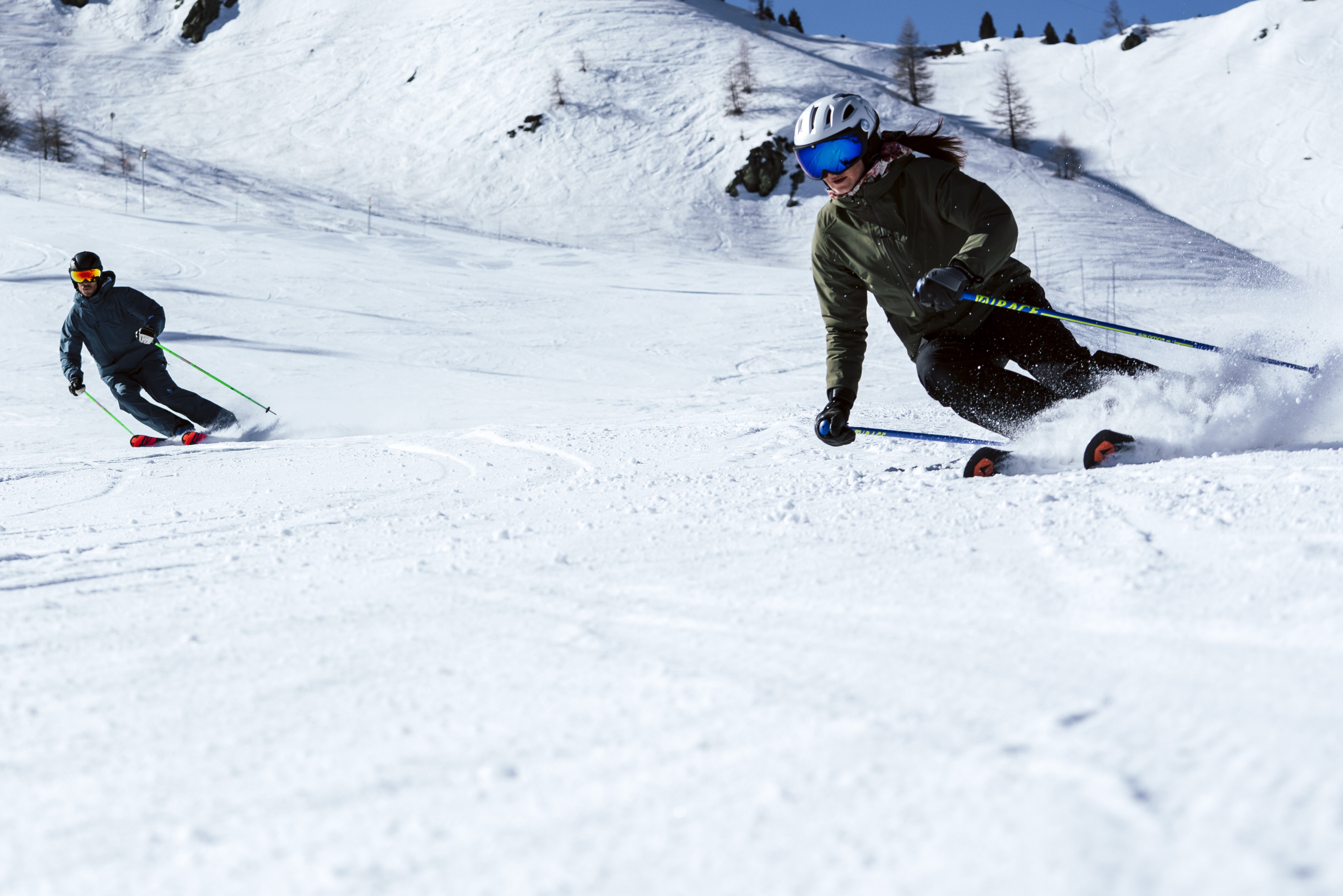
If you prefer to wear ski goggles rather than glasses, avoid blocking their vents with a beanie, for example, or by letting snow build up on them. If the air does not circulate properly, it won't be evacuated as it should, and this will certainly cause your lens to fog up.
+ Choose quality equipment
For maximum comfort, choose high-end models. The ski goggles and glasses offered by renowned manufacturers are designed to deliver optimal performance and accompany you all day on the slopes.
Featuring the “Anti-Fog Platinum” coating on Phantom and Phantom+ photochromic lens models, Bollé ski goggles and mountain sunglasses also provide exceptional clarity of vision, whatever the weather conditions.