Photochromic ski goggles: what are the benefits?
In the high mountains, the weather can be changeable: it's sunny when you head out onto the slopes, but thick clouds cover the sky an hour later. So rather than carrying different lenses in your pockets, why not opt for photochromic ski goggles? Also known as variable-tint goggles, they adapt to the weather conditions so that the skier enjoys optimal vision whatever the conditions. Discover the advantages of photochromic goggles in this article.
Buy our photochromic goggles.jpg)
What is photochromism?
First developed by the American company Corning Glass Works in the 1960s, photochromic glass is a lens material that tints according to the amount of ultraviolet (UV) rays it receives. When UV exposure is strong, the lenses gradually darken. Conversely, when it is weak or disappears, the lenses gradually return to their clear state.
Photochromic lenses can be made in different ways: with mineral glass, or with thermosetting plastic (known as “organic”) or thermoplastic (known as “polycarbonate”).
The advantages of photochromic technology
Perfect for handling different light intensities, photochromic lenses have many advantages. Whether the sky is clear or the weather is bad (snow, cloud, fog), they will easily adapt to your skiing.
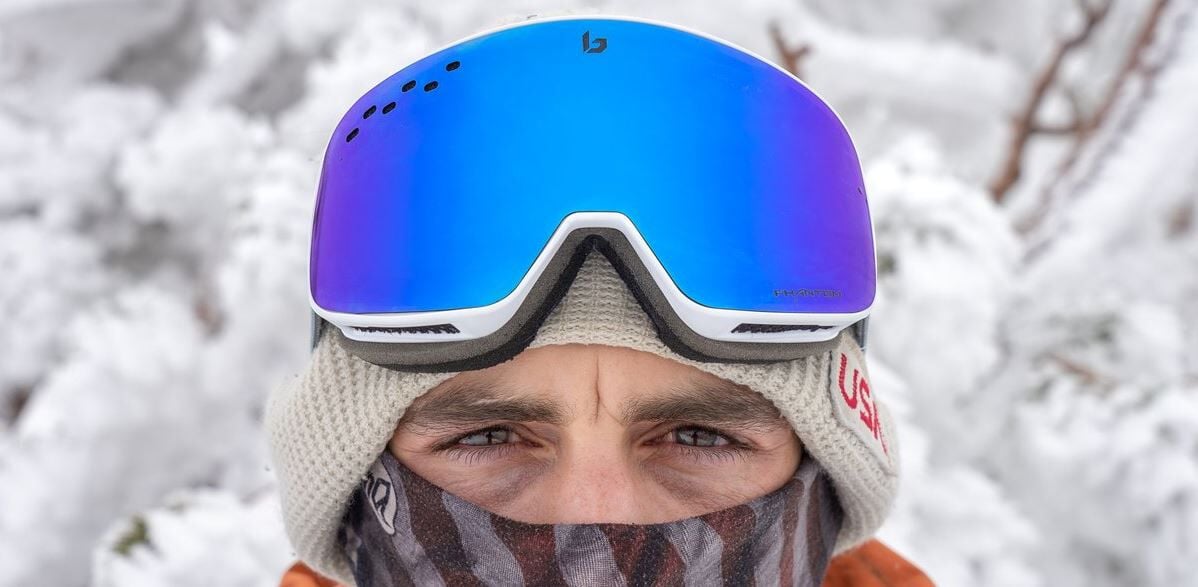
Among their main features, photochromic ski goggles offer:
- Great reactivity to changes in environment and variations in light;
- Better visual comfort, as they reduce eye strain and glare from the sun;
- Constant protection against 100% of harmful ultraviolet rays (UVA and UVB), with filter categories ranging from 1 to 4;
- Eye protection whatever the weather conditions.
Photochromic lenses generally take around thirty seconds to darken completely, and about 2 to 5 minutes to become clear again. Thanks to this optical technology, there's no longer any need to buy several lenses: a single pair of photochromic ski goggles is enough to enjoy every possible snow condition.
Phantom by Bollé, the high-performance photochromic lens
Developed by Bollé, Phantom photochromic lenses deliver exceptional definition and optical clarity, whatever the landscape and the light.
Available for most prescriptions and in a wide choice of colours, the Phantom lens combines several advanced technologies that allow it to achieve this high level of performance:
- A molecular photochromic filter that adapts in the blink of an eye to ambient light, ensuring sharp, precise vision even in extreme weather conditions;
- LTS (Low Temperature Sensitivity) technology, which ensures high photochromic performance over a very wide temperature range (from -10°C to 20°C);
- A polarised film, applied to reduce glare and improve contrast (only available on Phantom+ lenses).
A real asset for hitting the slopes while keeping excellent vision, the Phantom lens goes from category 1 to category 3 in less than thirty seconds.
For beginners and experienced skiers alike, Bollé offers a wide choice of ski goggles that can be fitted with Phantom photochromic technology. For example, the NEVADA NEO, the first magnetic goggle in the Bollé range, or the MAMMOTH, which has an extra-large lens for an unrivalled field of vision.
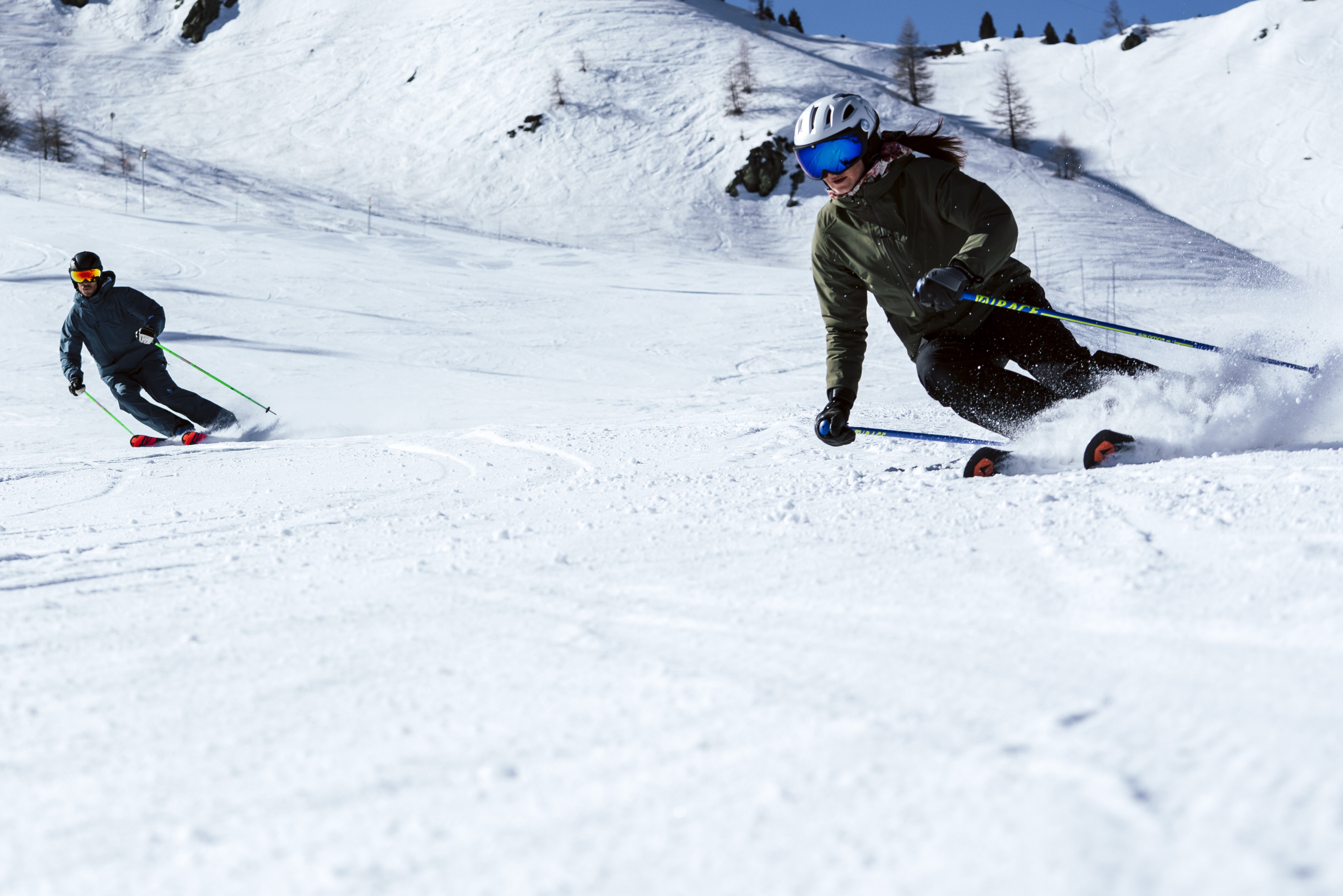
+ Phantom+: the perfect synergy between photochromism and polarisation
To offer snow sports enthusiasts ever better visual clarity, Bollé has added a semi-polarised film to its Phantom photochromic lenses to create Phantom+.
While a 100% polarised lens blocks all the reflections produced by the sun's rays on the snow, Bollé's 50% polarised film lets enough light through for the skier to tell ice from snow. What's more, Phantom+ optimises your reading of the terrain.