THE STICKY HELMET SYNDROME: HOW TO STORE YOUR SKI GEAR OVER THE SUMMER
May 26, 2026 / 7-minute read
A sticky helmet, lingering odors, uncomfortable foam from your very first run… this well-known issue among skiers isn’t inevitable.
Often caused by improper storage during the off-season, it can affect not only comfort but also the overall performance of your gear.
The good news? With the right habits, it’s easy to prevent.
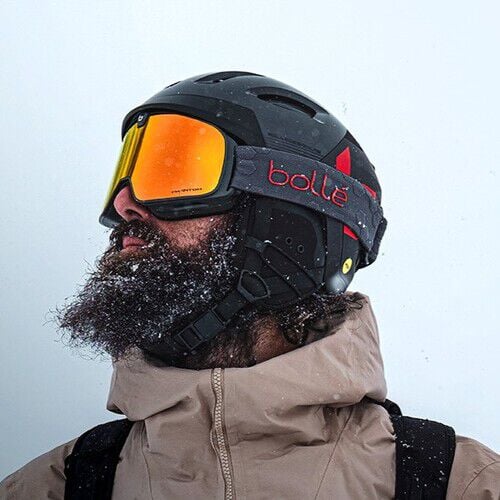
WHAT IS THE “STICKY HELMET SYNDROME”?
After several months without use, some equipment can become:
• Sticky to the touch
• Unpleasant-smelling
• Less comfortable
This mainly affects:
• Helmet inner padding
• Goggle face foam
The cause is simple: a combination of moisture, heat, and poor storage conditions.
WHY DOES YOUR GEAR DEGRADE OVER THE SUMMER?
1. Moisture: the main culprit
Even after a great day on the slopes, moisture often remains trapped inside the foam.
This leads to:
• Bacteria growth
• Bad odors
• Progressive material degradation
Key takeaway: storing damp gear means damaging it.
2. Heat: an aggravating factor
A helmet left in a car trunk or a poorly ventilated garage can be exposed to high temperature fluctuations.
Consequences include:
• Foam deformation
• Sticky feeling
• Loss of comfort and fit
3. UV exposure: a silent enemy
Prolonged exposure to sunlight can damage:
• Goggle lenses (tint and visual performance)
• Plastic materials

• Storing gear while still damp
• Keeping it in a closed bag with no ventilation
• Leaving it in hot or exposed environments
BEST PRACTICES BEFORE STORAGE
Clean your gear properly
• Wash removable foam with lukewarm water and mild soap
• Clean lenses with a microfiber cloth
• Avoid harsh chemicals
Let it dry completely
• Air dry naturally
• Never use direct heat sources
• Make sure all foam is fully dry
Protect lens treatments
Goggle lenses often feature anti-fog coatings.
• Do not wipe the inside of the lens
• Use only appropriate cleaning materials
HOW TO PROPERLY STORE YOUR HELMET AND GOGGLES
Choose the right environment
• A dry, temperate place
• Away from direct sunlight
• Well-ventilated
Avoid damp basements, attics, or car trunks.
Use the right protection
• A breathable helmet bag
• A microfiber pouch for goggles Cases and Pouches
Tip: choose storage solutions that allow airflow rather than airtight boxes.